INTUITIO

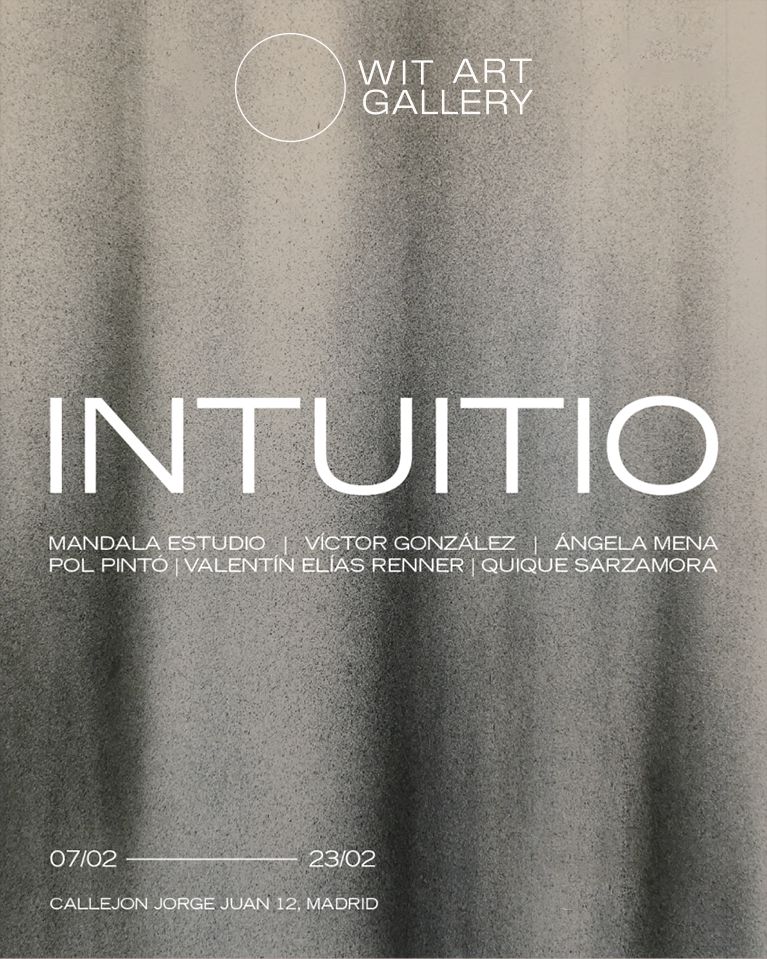
07.02.2025 - 23.02.2025


We are thrilled to invite you to INTUITIO, a captivating group exhibition showcasing the works of six visionary abstract artists: Mandala Estudio, Víctor González, Ángela Mena, Pol Pintó, Valentin Elias Renner, and Quique Sarzamora. Through their unique interpretation of form, colour, and movement, these artists explore the power of intuition in art. 

The exhibition will be on display from the 7th to the 23rd of Februaryoffering ample time to experience this celebration of artistry.

INTUITIO is not just an exhibition; it is an invitation to embrace the unknown and the uncharted. The artists featured have delved into their subconscious to create pieces that speak to the primal instincts of creation, tapping into the intuitive processes that often lie beneath the surface of artistic expression. This exploration serves as a reminder that art is not merely about what is seen, but about the emotions and thoughts it evokes within us.

As you wander through the gallery, you’ll encounter a diverse array of styles and techniques that challenge conventional perceptions and invite personal reflection. Each artist brings their own story and emotional resonance to the canvas, allowing viewers to engage with the artwork on a deeply personal level.

Throughout the exhibition, we encourage you to take a moment to pause, breathe, and allow your intuition to lead you through the journey of each artwork. Engage with the colors, shapes, and textures as they resonate with your own experiences and emotions.


 ARTISTS 


MANDALA ESTUDIO

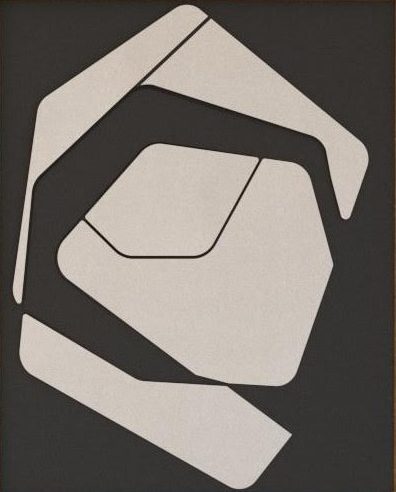
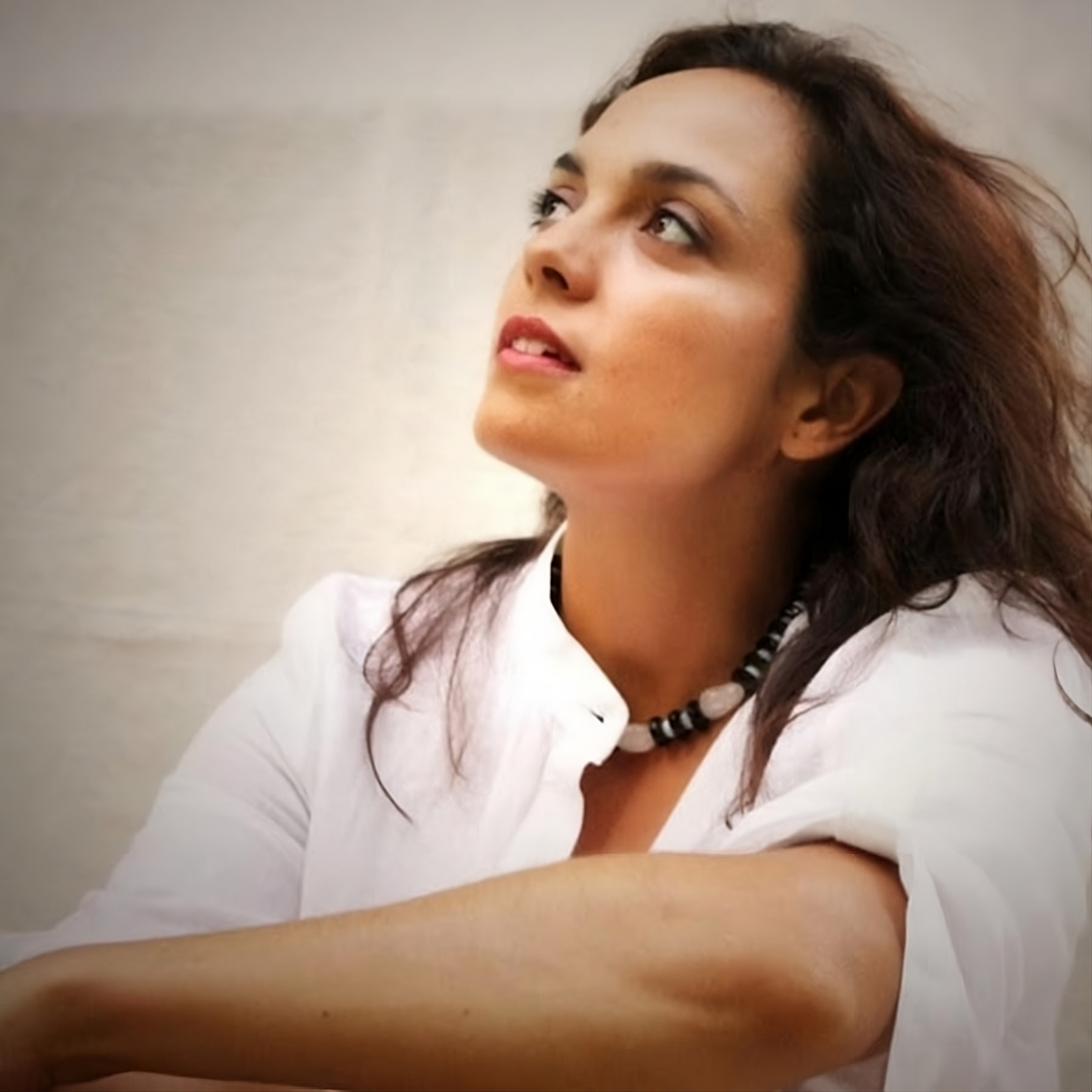
Casilda Moreno, a graduate in Philosophy from the University of Malaga, was introduced to aesthetic thought by Chantal Maillard during her studies. Despite initially studying Interior Architecture, she found that her philosophical background was closely linked to her new field of study at the Madrid School of Architecture.

There, she developed her childhood interests in drawing, painting, and design while receiving comprehensive training in the technical and theoretical aspects of interior architecture. After returning to Malaga, Casilda furthered her knowledge of software tools for representation and design and mastered various languages, such as French and English, to cater to the tourism industry in the Costa del Sol region.

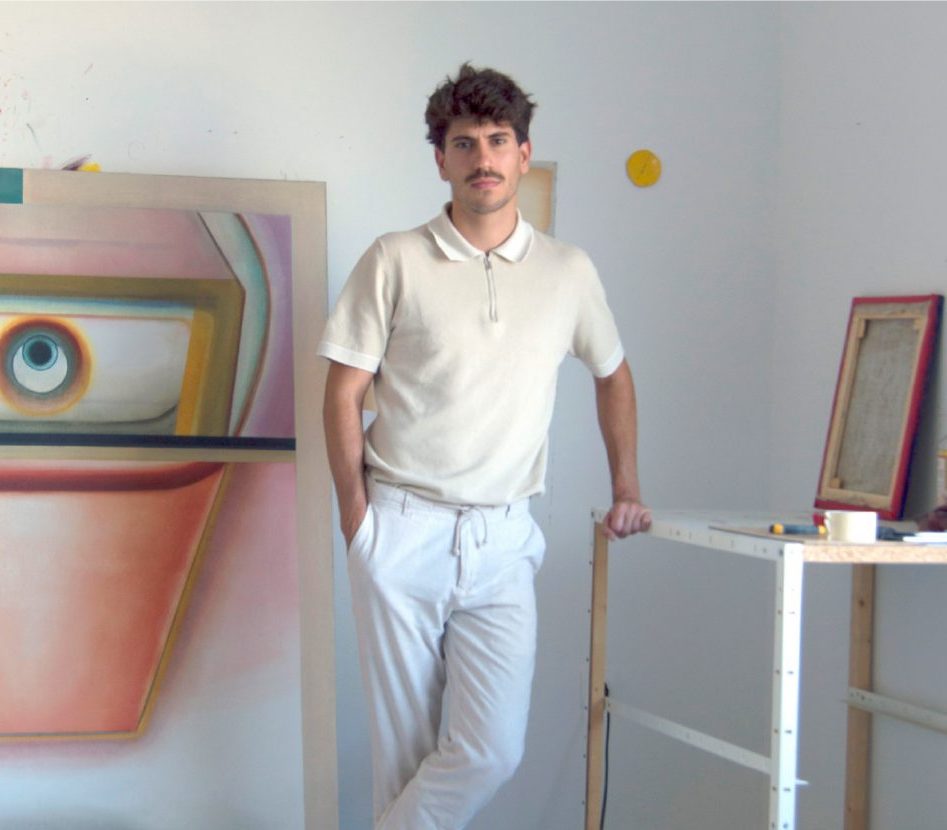
VÍCTOR GONZÁLEZ (Cádiz, 1996)

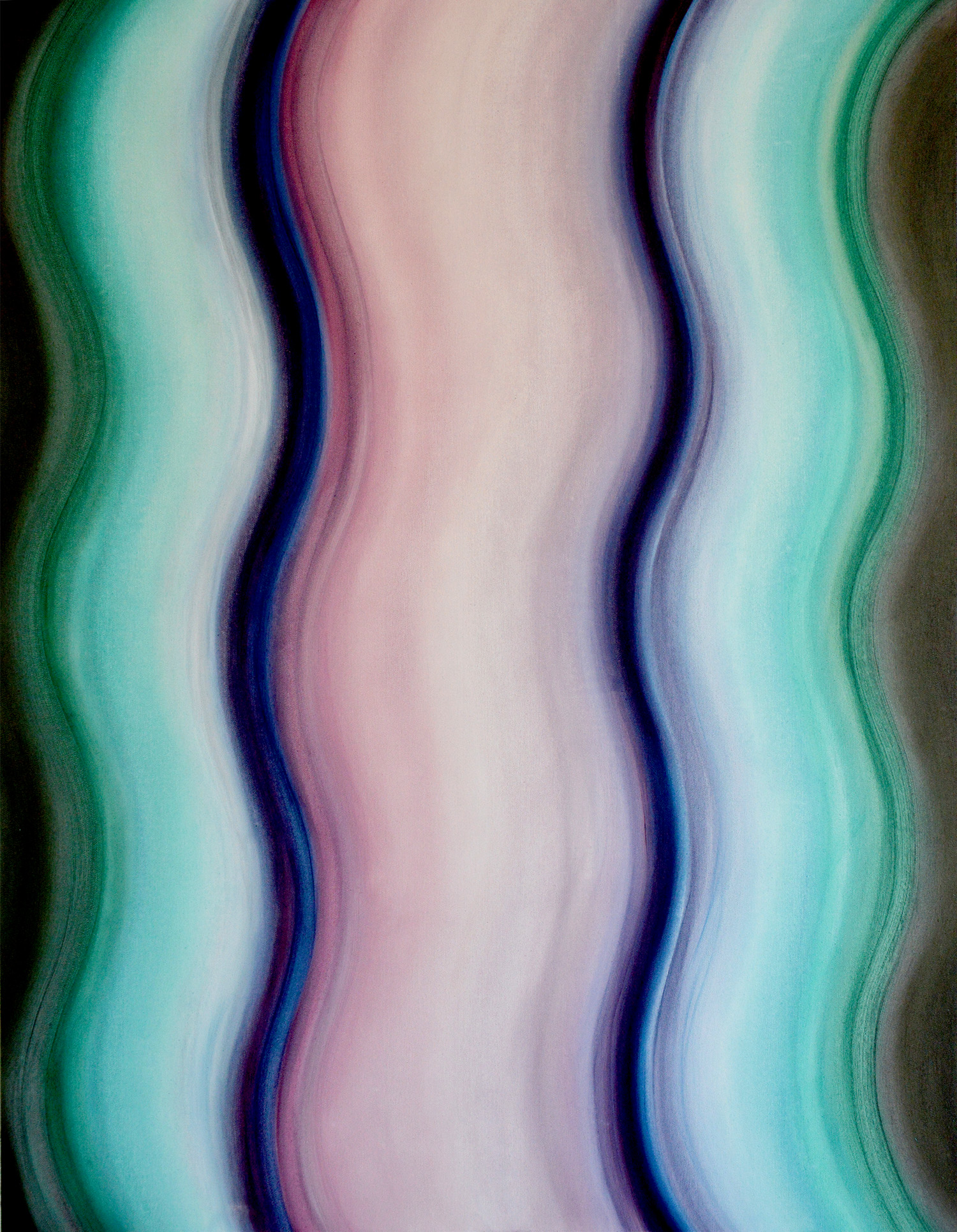
The works of Víctor González are presented as portals of access to an auratic space of chromatic gradations that transcends the immediacy of the everyday and that could be astrological as well as microscopic.

His soft geometries are situated between the abstract and the referential and in them coexist the intuitive and spontaneous with the analytical; the subconscious and the processual with the unravelling of the systems and codes of colour, form and perspective that operate in the language of painting. Gonzalez embraces the discipline of the craft, executes the processes with processes and explores the mysteries of the pictorial plane and its metaphysical qualities, which have to do both with the material and the both with the material and the poetic. His paintings insinuate architectural spaces - or details of them - that could well belong to could well belong to the public square or to the seclusion of the contemplative life of cells or sacred spaces of Templar dimensions.

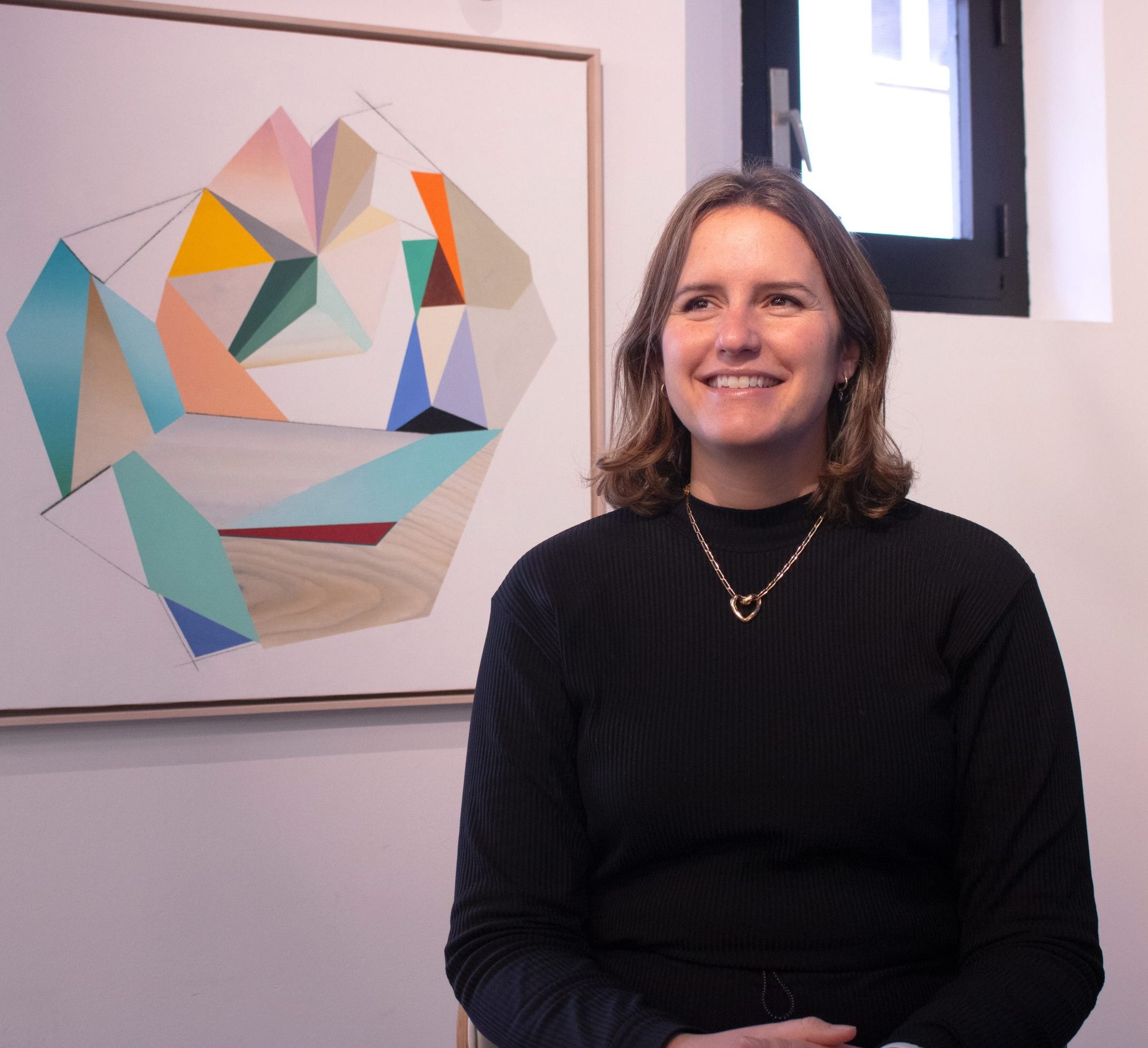
ÁNGELA MENA (Sevilla, 1976)

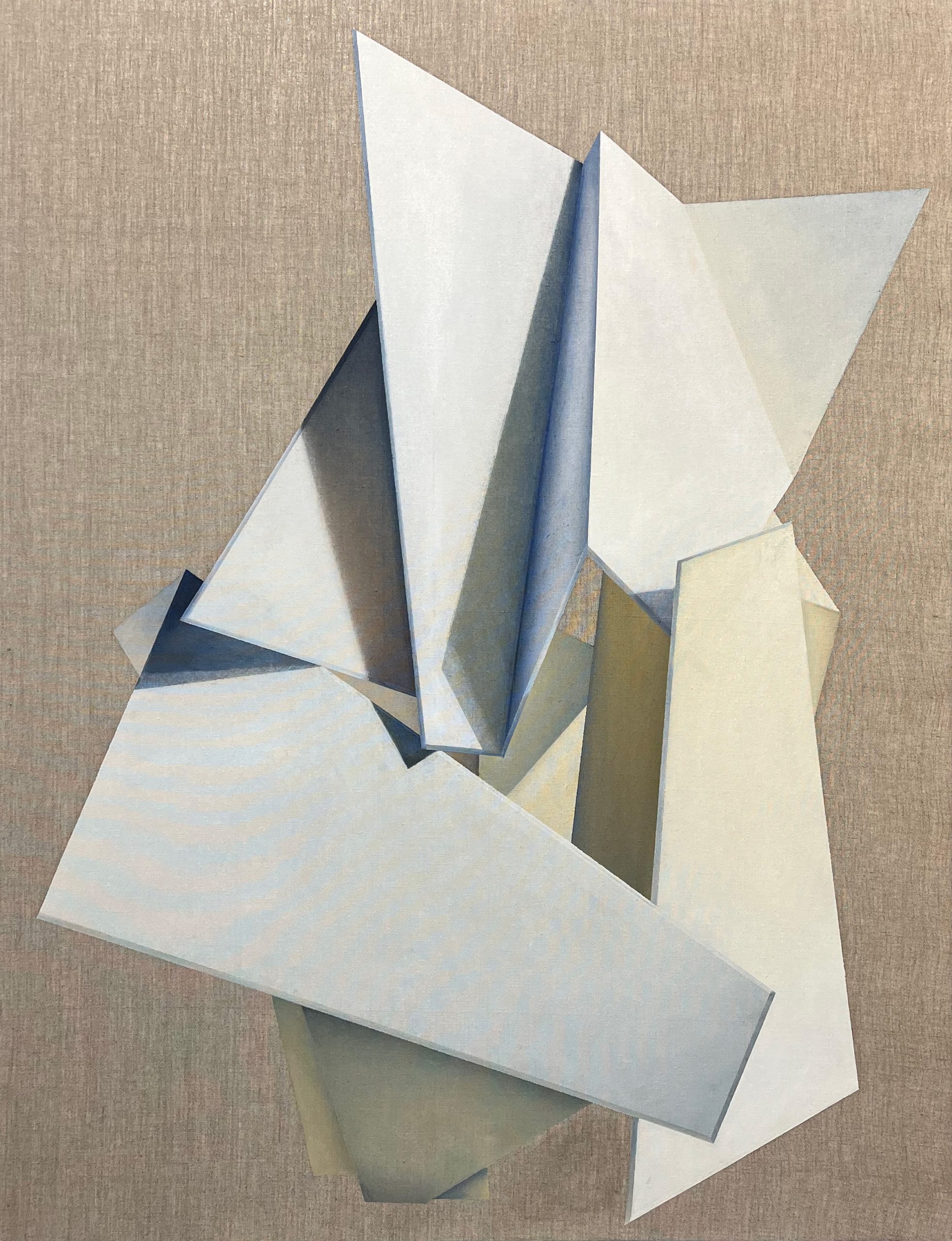
The work of Ángela Mena is characterized by the dynamic interaction between color and volume, elements that immediately attract the viewer. Through the use of color, the artist establishes fundamental emotional connections, allowing for a personal identification with her pieces. In her landscapes on raw linen canvas, Mena employs techniques of folds and bent planes that, through the play of light and shadow, create an illusion of three-dimensionality and a consciousness of the represented reality. This attention to detail transforms her works into visual experiences that challenge the monotony of everyday life, where every fold and shape has a clear purpose.

The essence of her art lies in addressing the challenge of breaking down space and imbuing it with meaning, resulting in volumes that seem to emerge from the walls, some of which materialize into pedestals that give corporeality to the work. In this way, she establishes a dialogue between tradition and modernity that transcends conventional artistic categories.

POL PINTÓ (Barcelona, 1993)

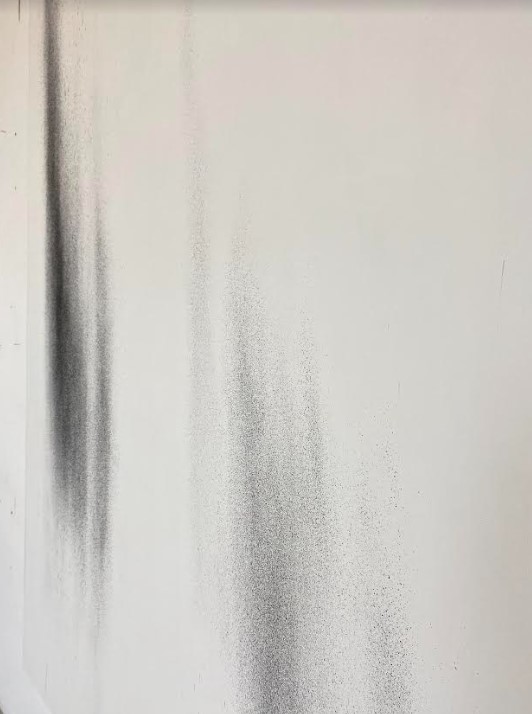
Emptiness dominates in Pol Pintó’s work, occasionally with drops and stains of paint that could be considered mistakes. These are the result of an unrepeatable and spontaneous action, every action leaves a trace, sometimes involuntarily. The origin of Pol Pintó’s pictorial work focuses on urban art, understood as a means of free expression without filters. In this environment, speed becomes essential. Facing it, is what forces Pol to move away from his obsession with perfection and have to look for other types of tools in order to develop his work.

This search led him to the discovery of the chalk line, using an instrument widely used in construction and engineering to draw straight lines. With the use of this, beyond streamlining the process, Pol realised all the other nuances that he brings to his work: expressiveness, inconstancy, randomness. Including error. In addition, the use of this chalk had clear connotations that would become the connecting link to define the evolution of his work: austerity and the continuous search for the primary.

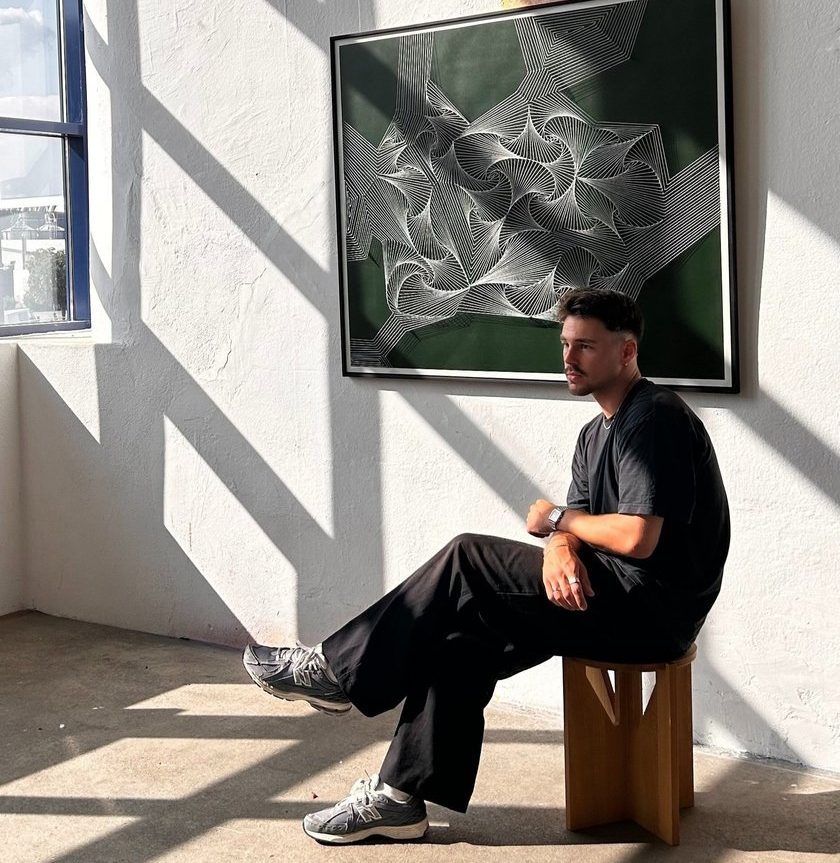
VALENTÍN ELÍAS RENNER (Germany, 1998)

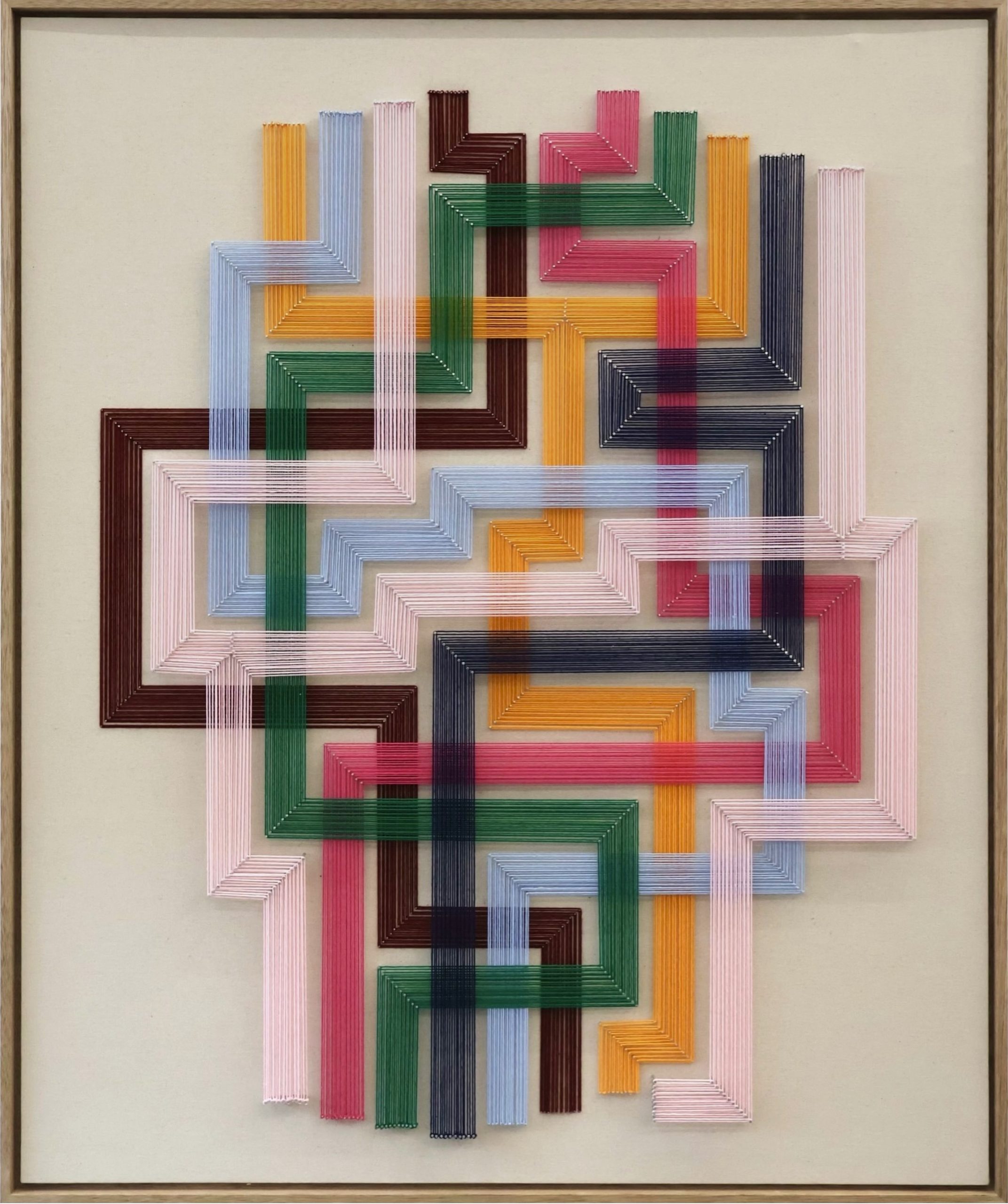
Valentin Elias Renner grew up on the edge of the Alps and later in Ulm, where his passion for art and exploring the world began early. Inspired by Marco Polo, he dreamed of discovering new worlds. In 2018, on a small Indonesian island, he found the inspiration for his art: a map where guests marked their hometowns with threads leading to the island.

From this idea, Renner developed his technique, using nails and threads to create a three-dimensional viewing experience on two-dimensional surfaces. Originally intended to document his travels, he first created smaller pieces in his home. After moving into his studio in Hamburg’s Grindelviertel, both the scale of his work and his creativity expanded.

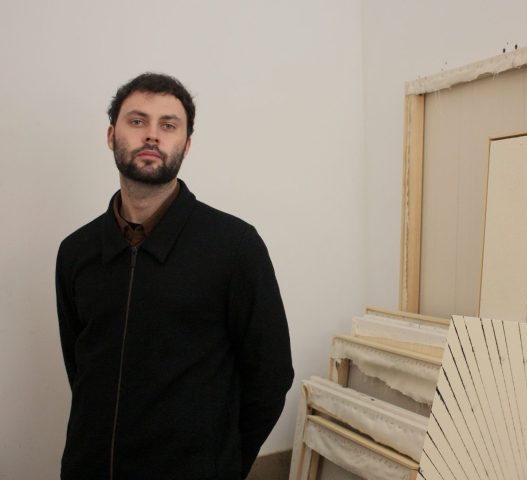
QUIQUE SARZAMORA (Sevilla, 1992)

In the contemporary art world, Quique Sarzamora emerges as a provocateur of the consciousness of the present, challenging established conventions and exploring new creative horizons. His work is not limited to mere representation; rather, it delves into the very essence of human experience, redefining the boundaries of traditional art.

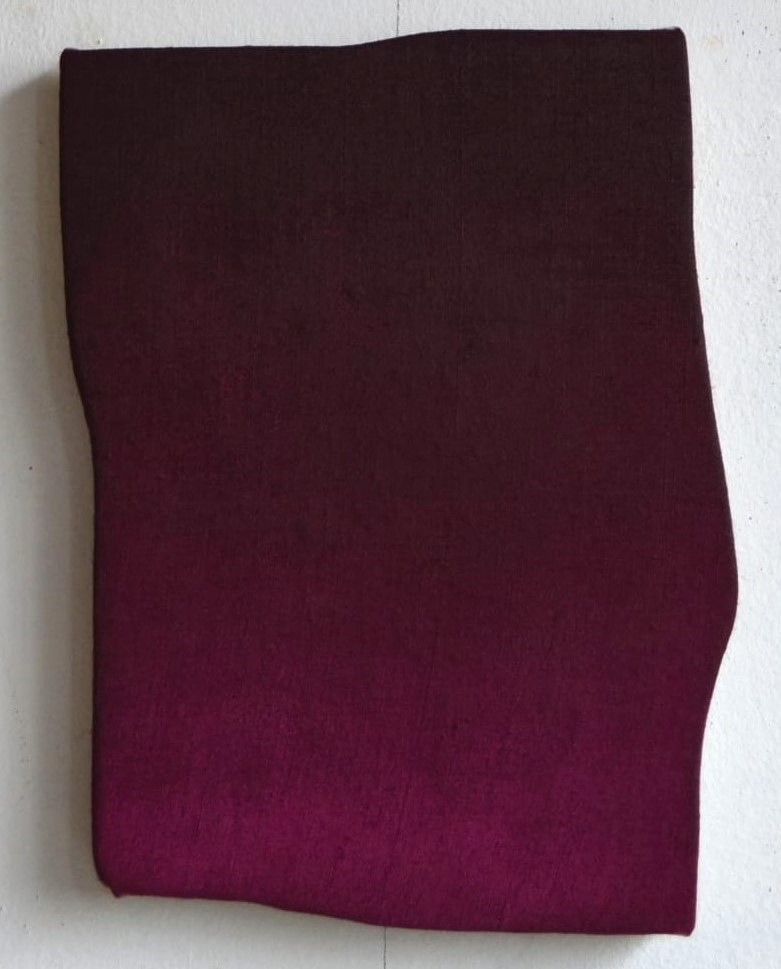
For Quique, painting is a process that begins long before the brush touches the canvas. It is an exploration of the underground, of what precedes ground zero. From the arrangement of the canvas to the application of the pigment, each step is a quest to make visible what lies beneath the surface.

The result of his meticulous work are direct yet subtle fields of colour that defy photographic capture. To fully appreciate his work, the viewer must abandon distance and immerse themselves in the physical experience of the painting. Only then do the subtleties emerge, the signs of affect, crisis and healing.