SWAP

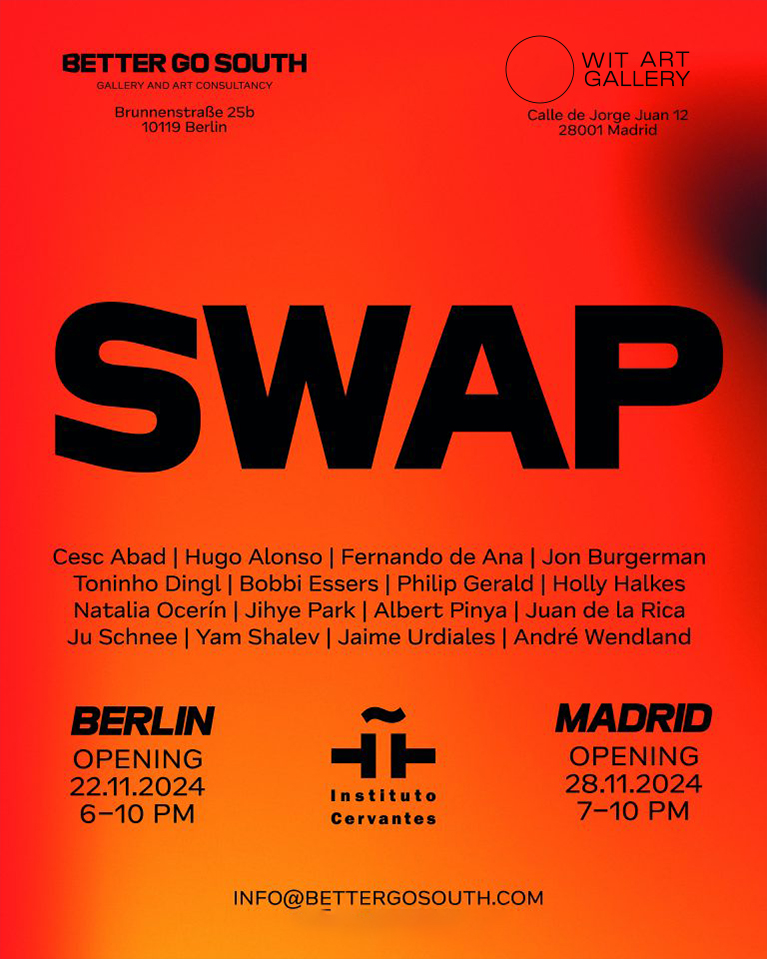
22.11.2024 / 28.11.2024

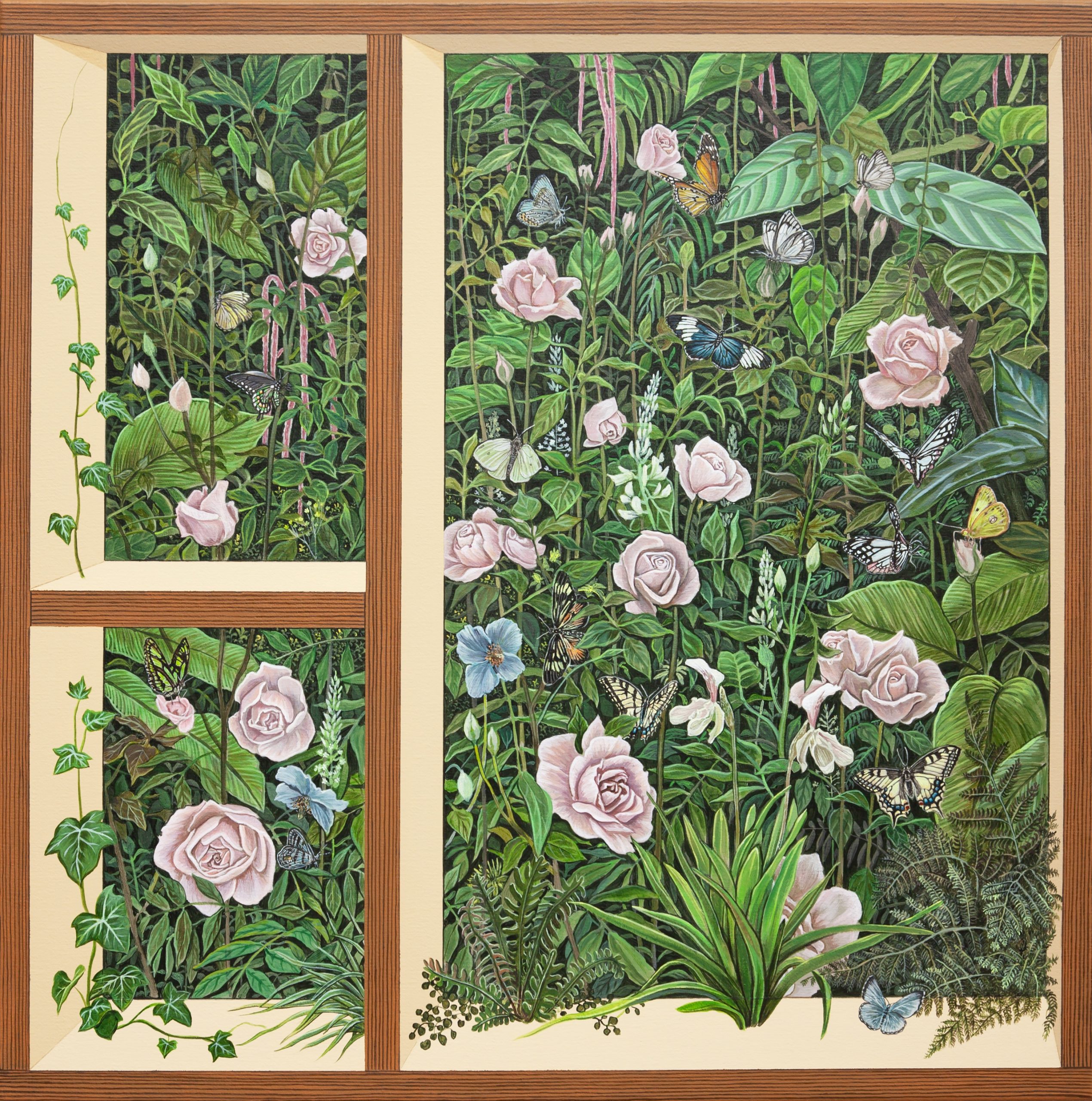
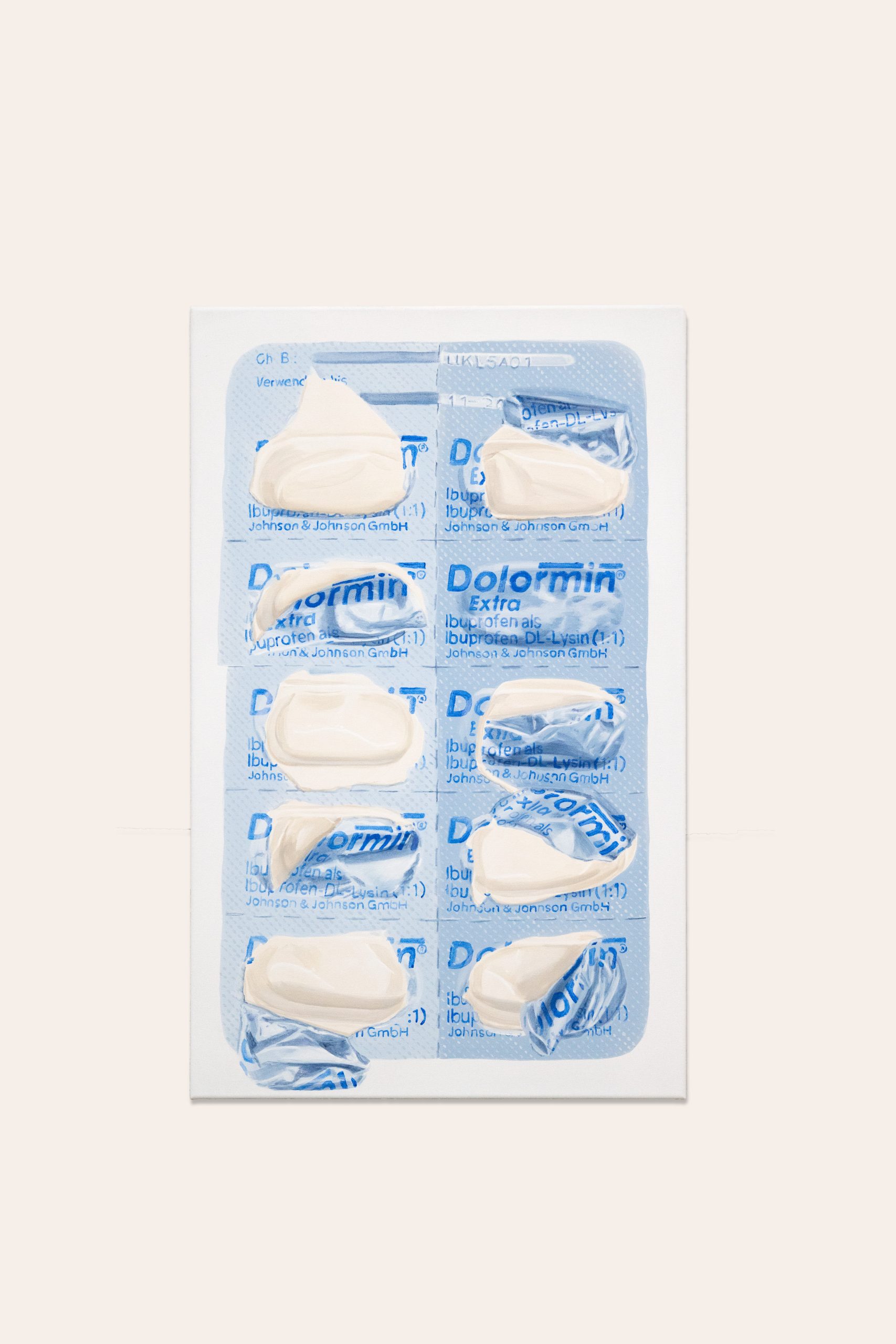
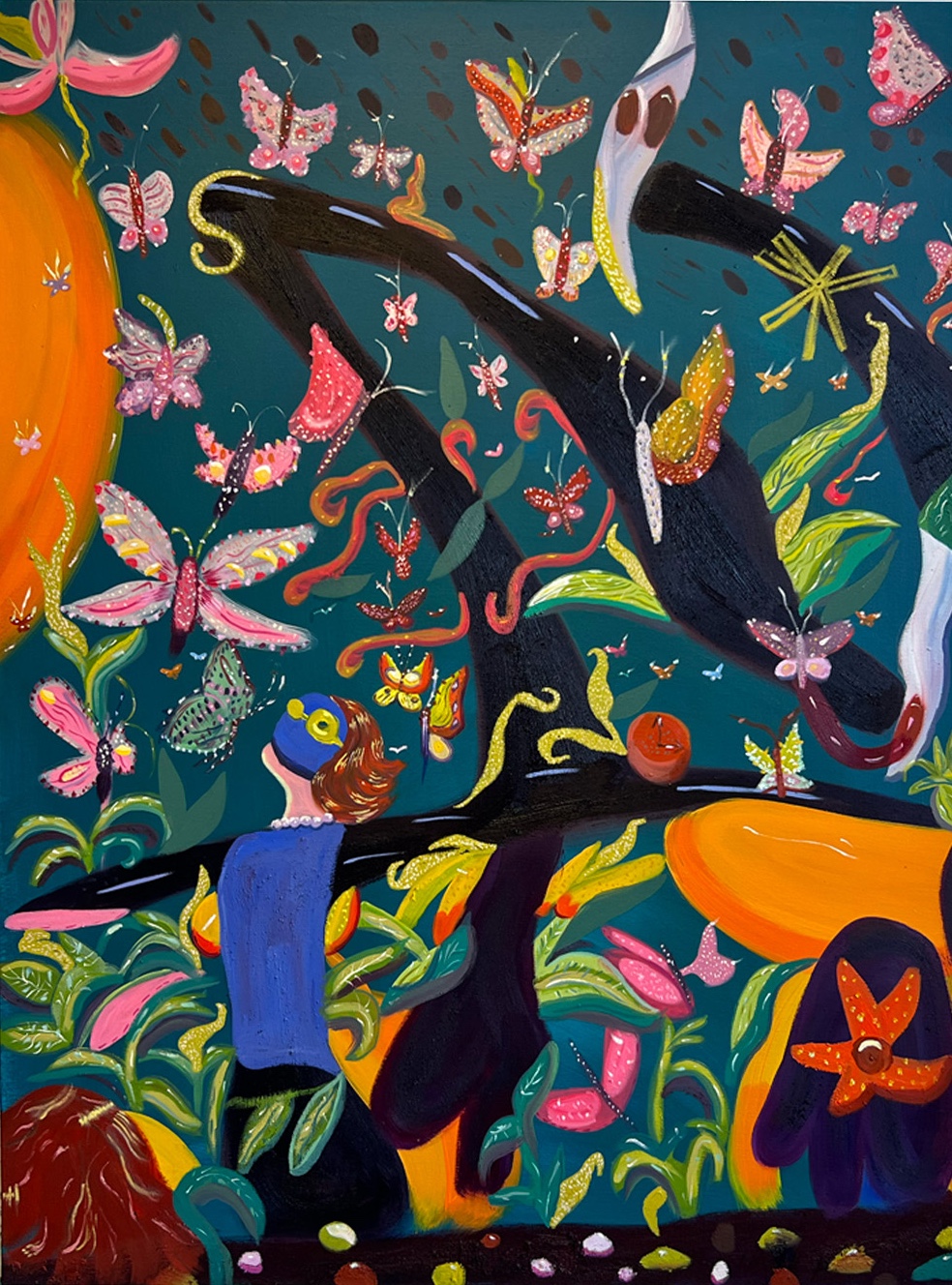
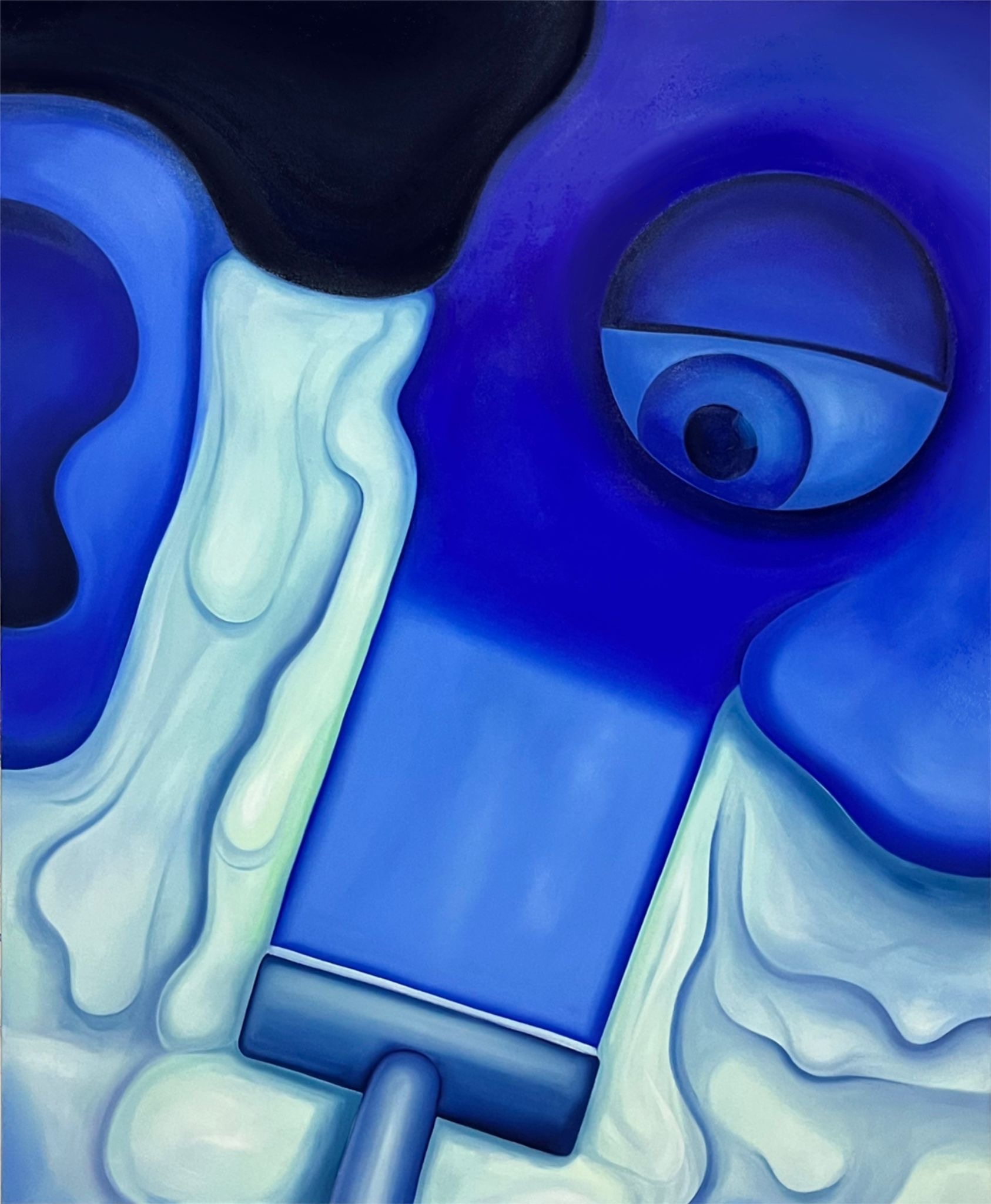
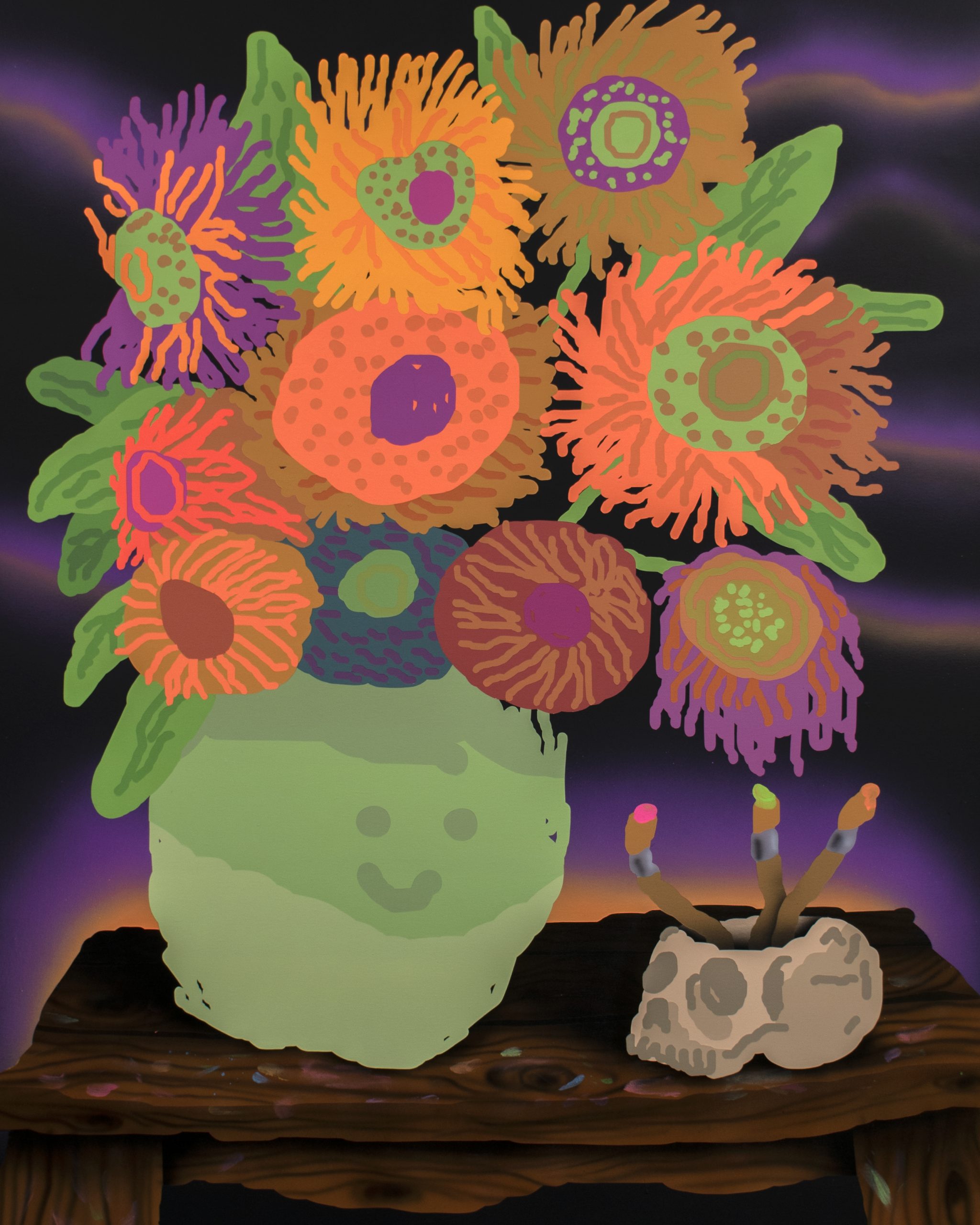
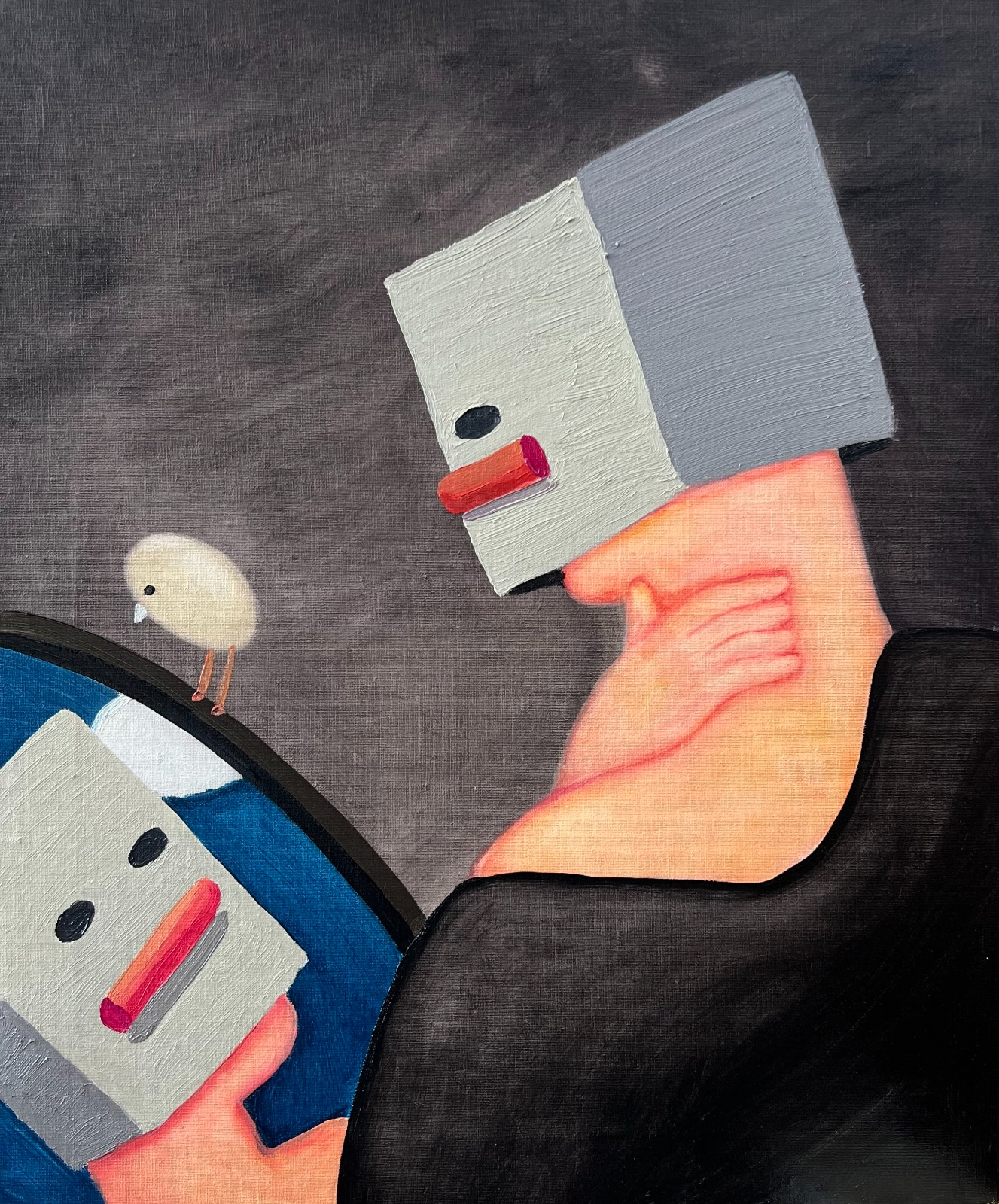
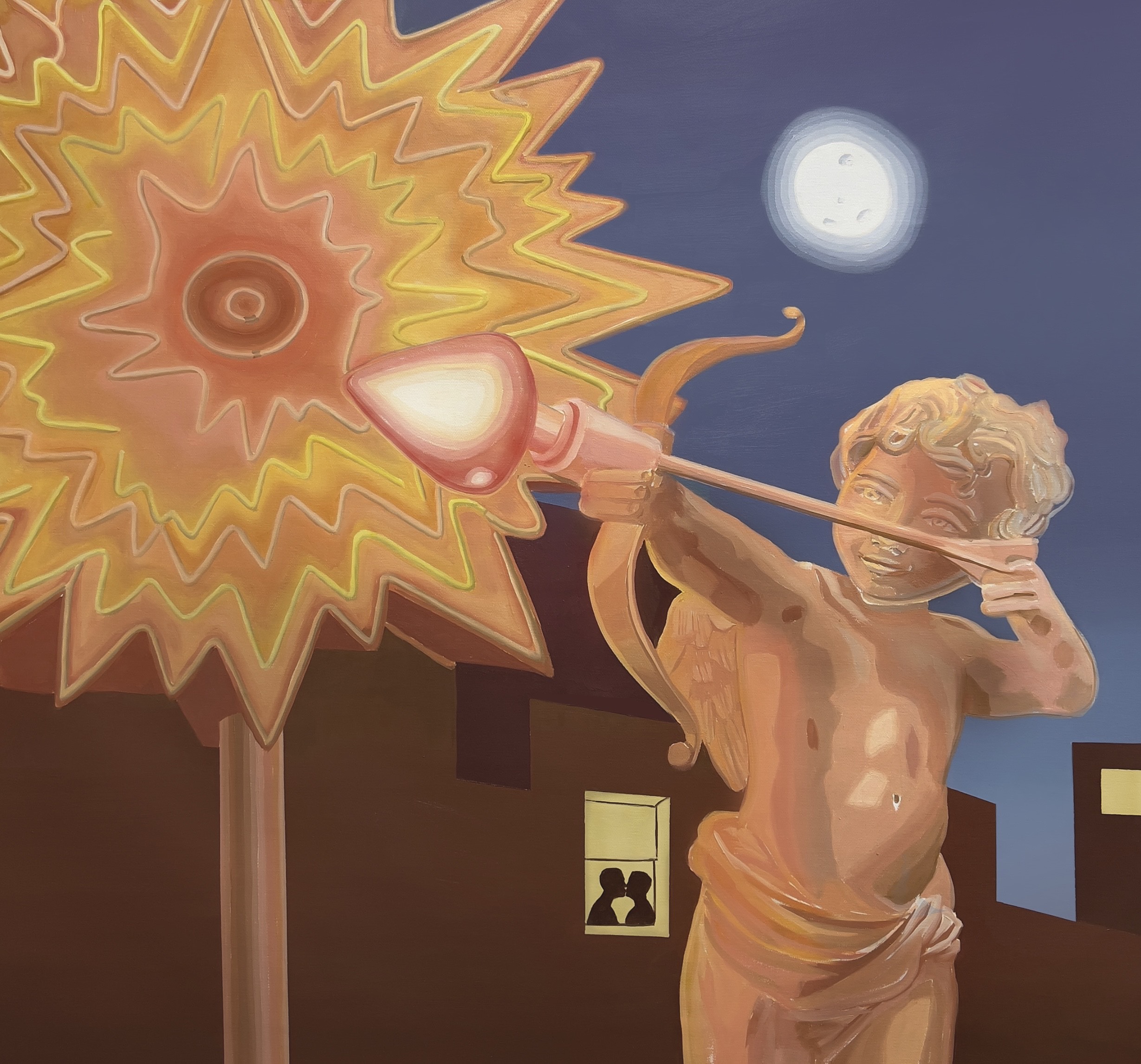
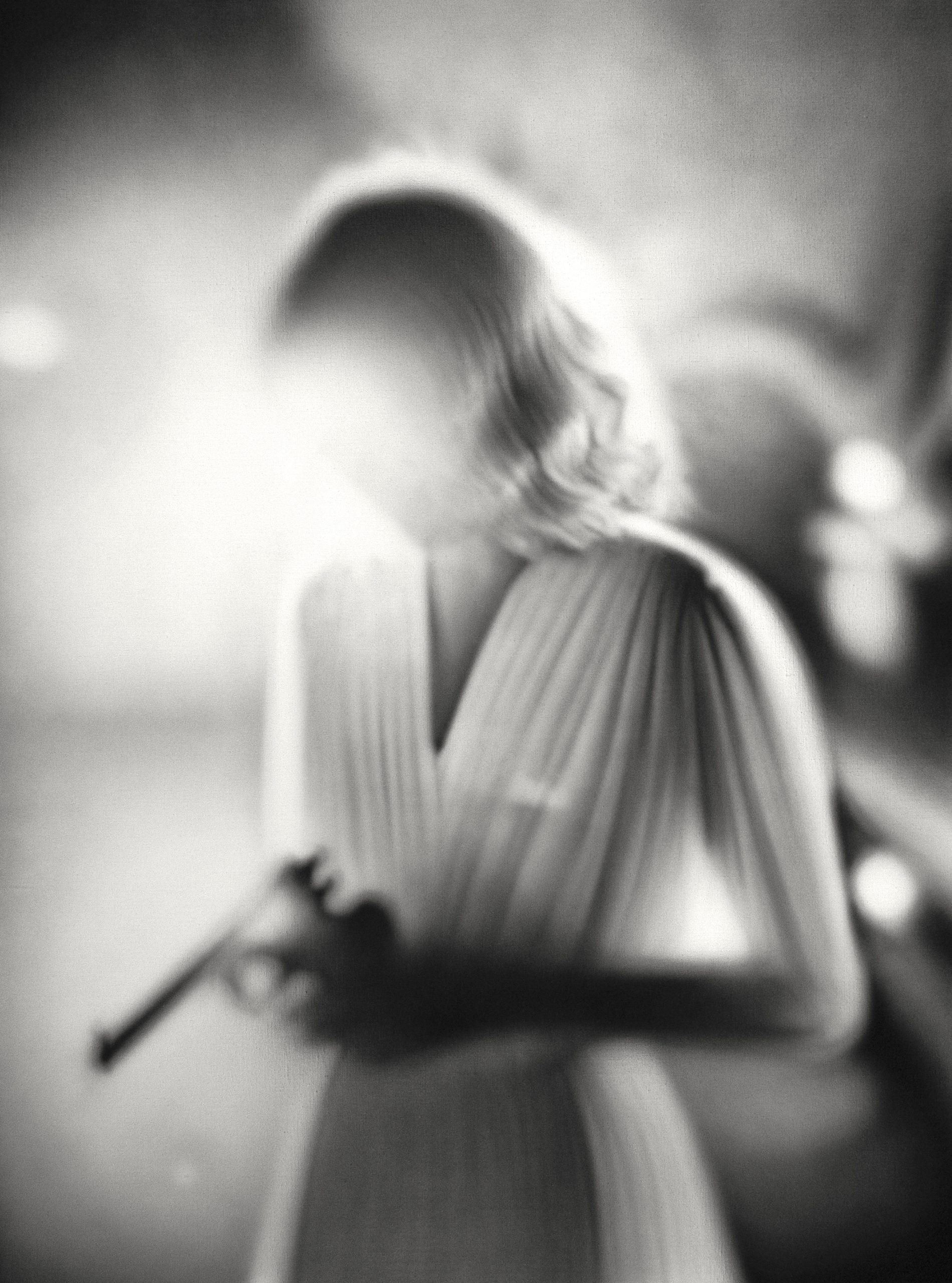
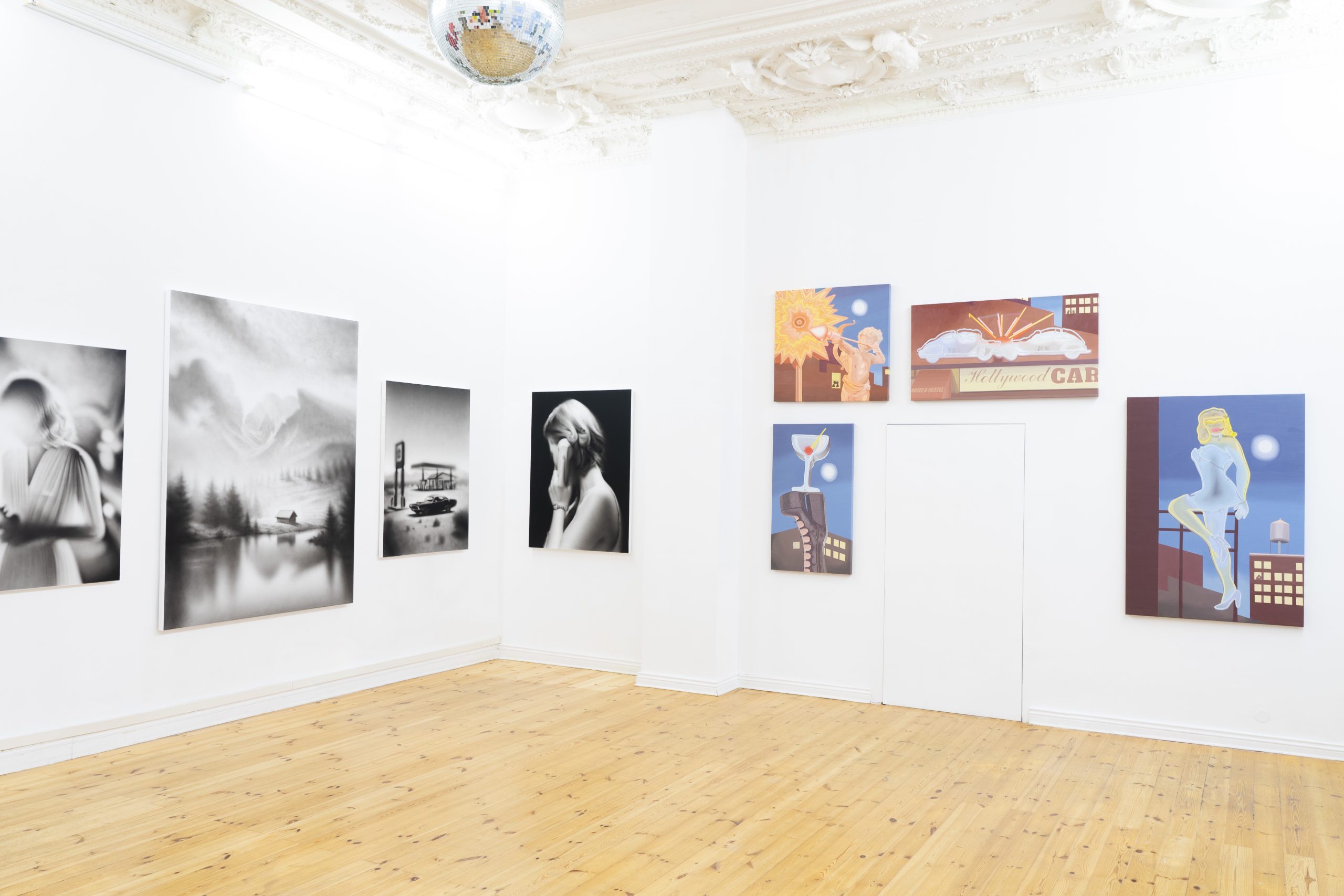
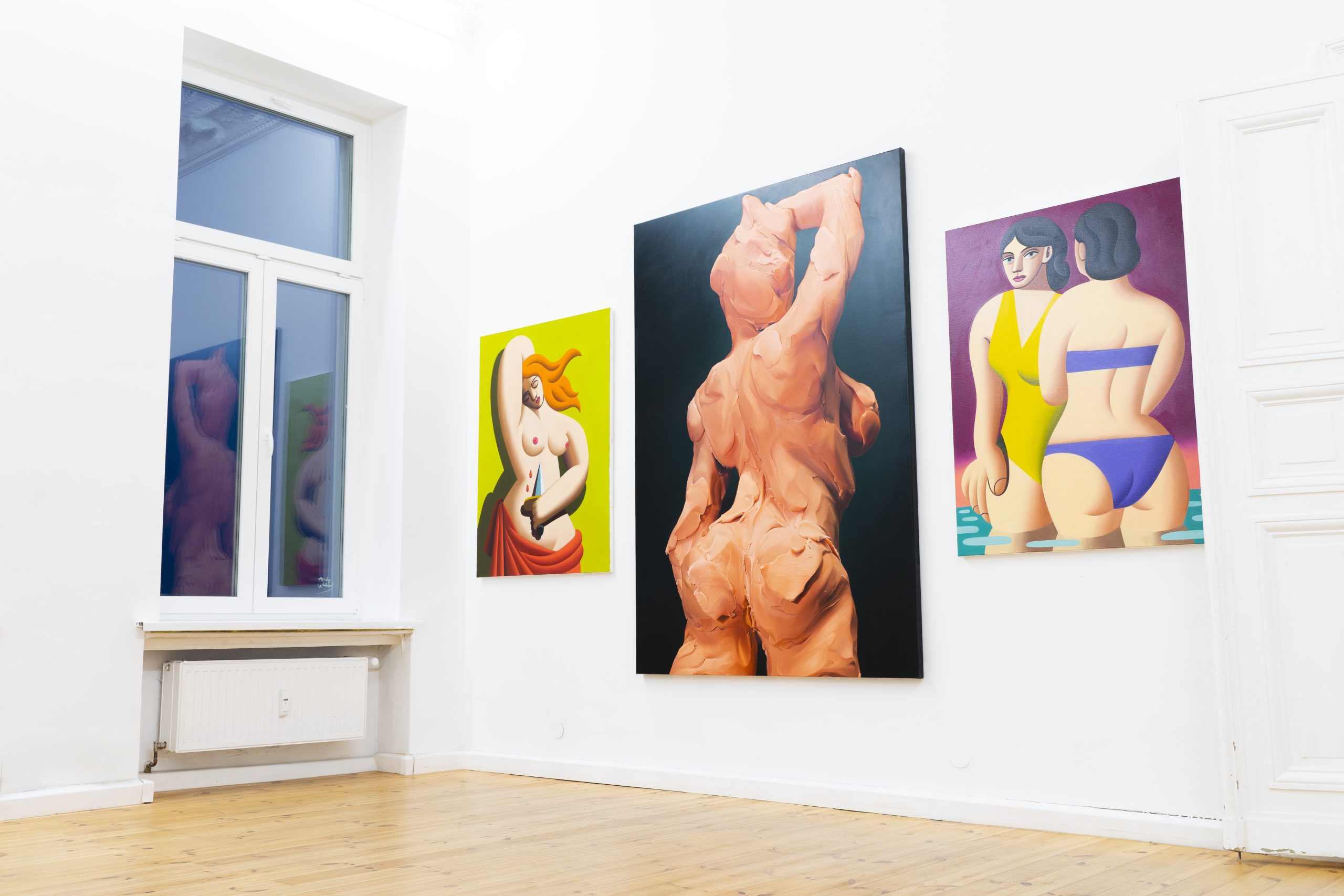
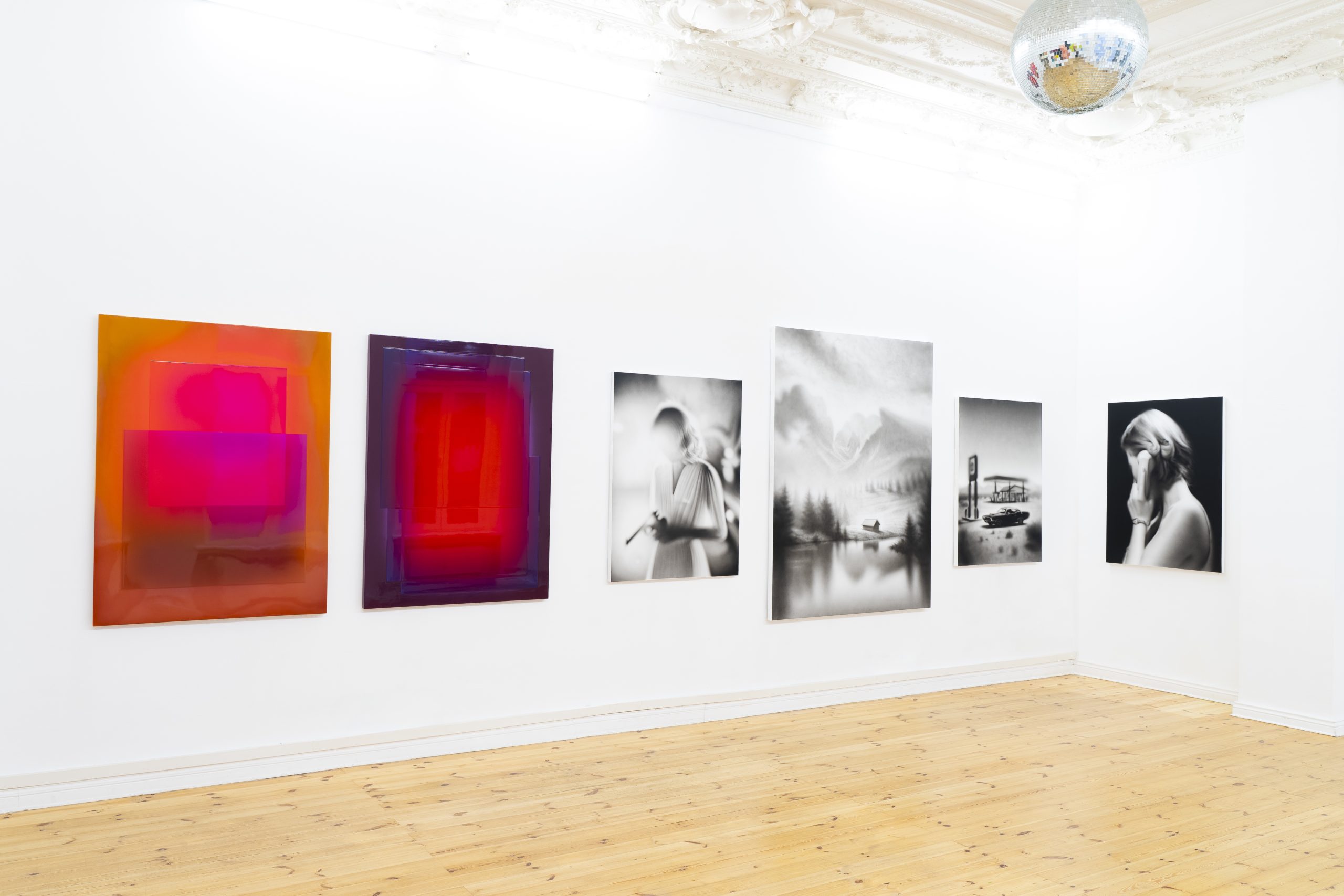
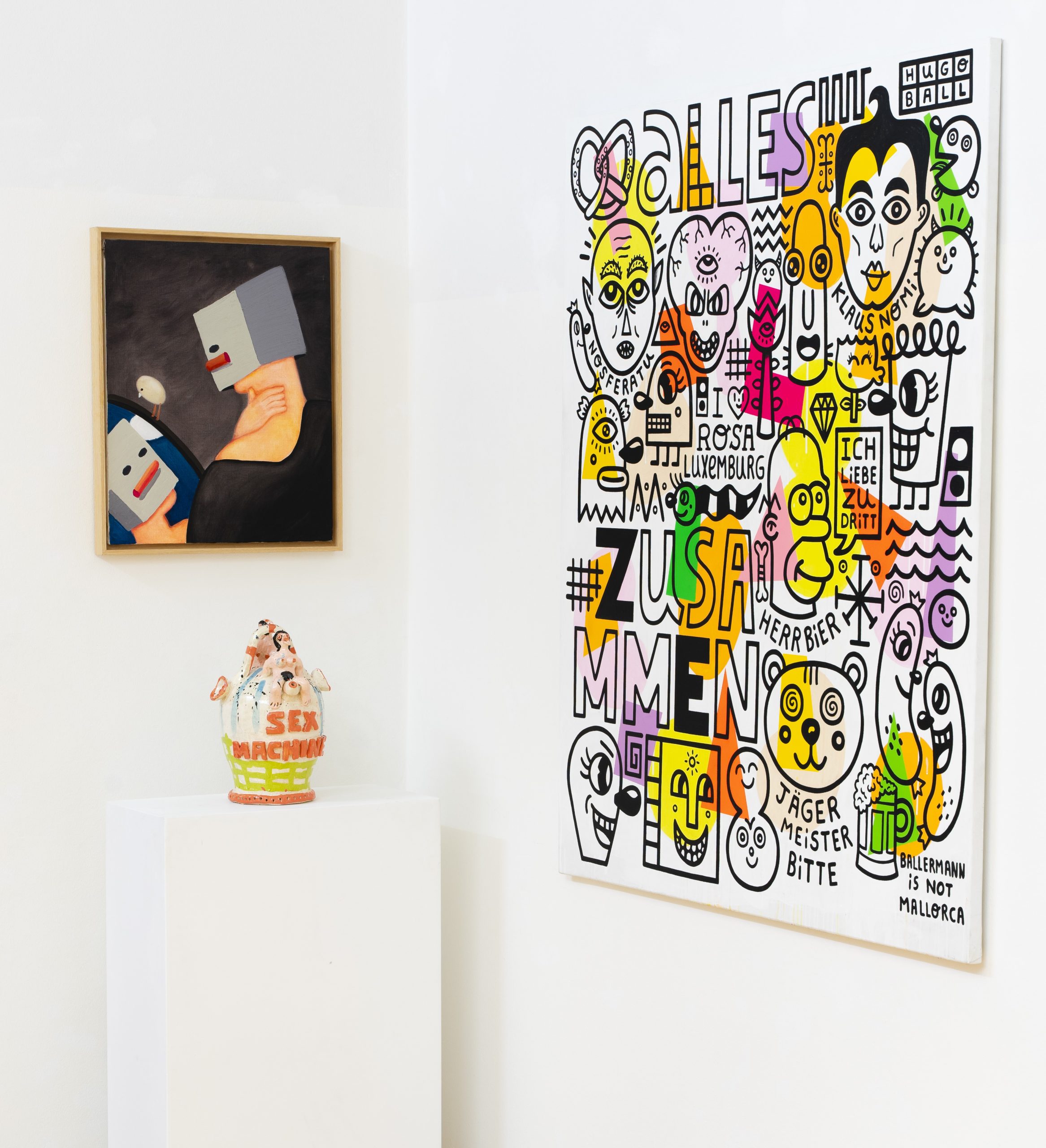
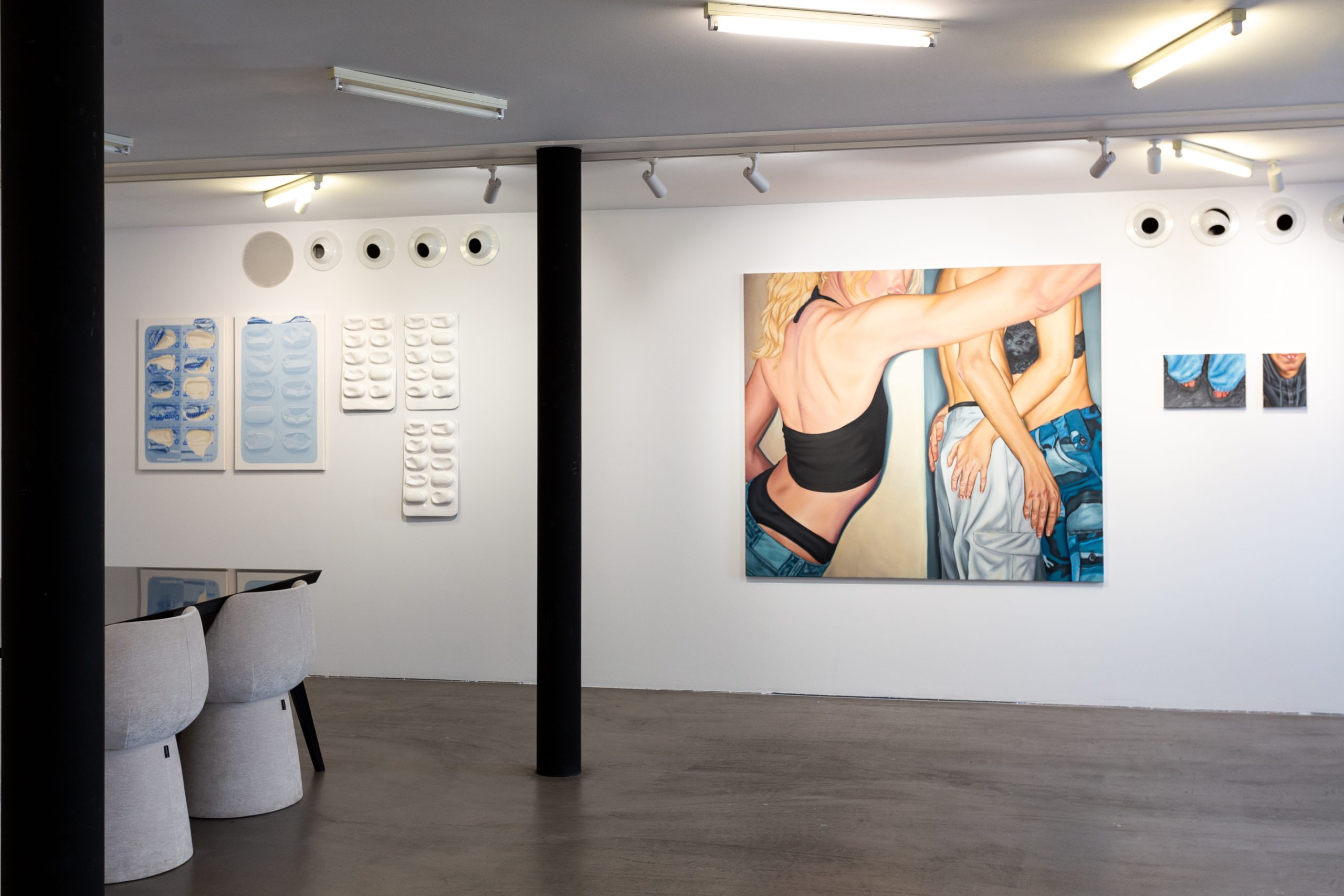
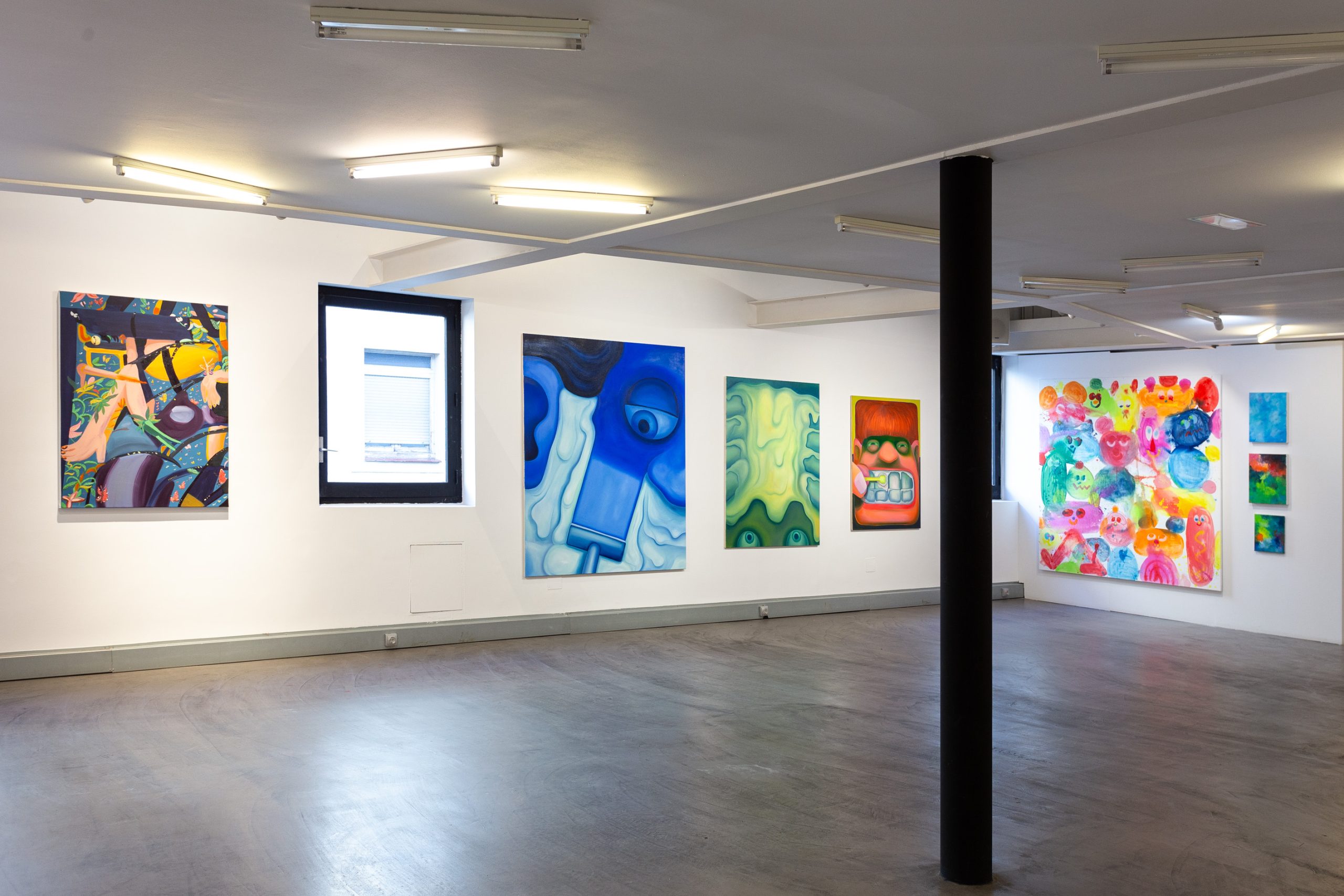
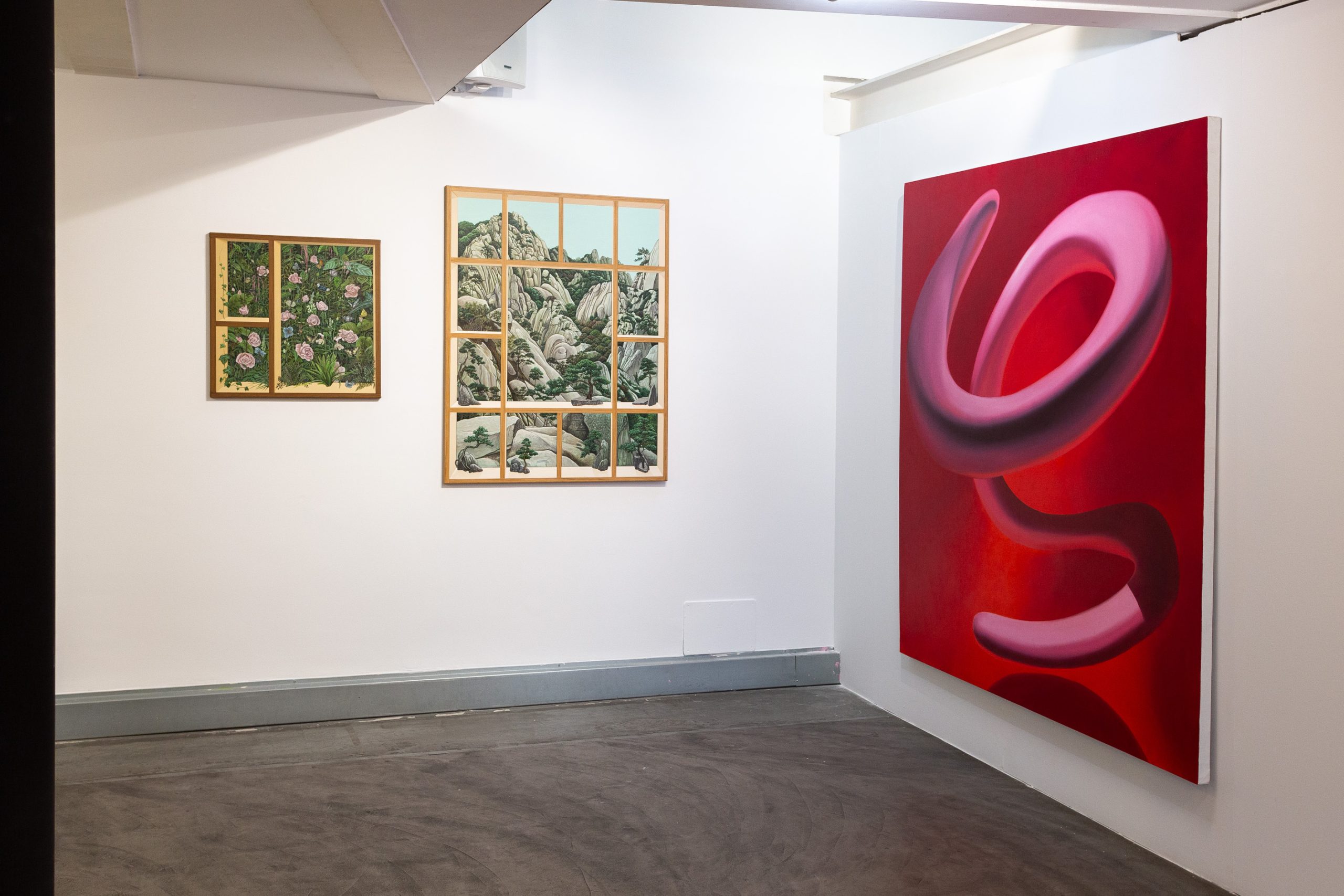
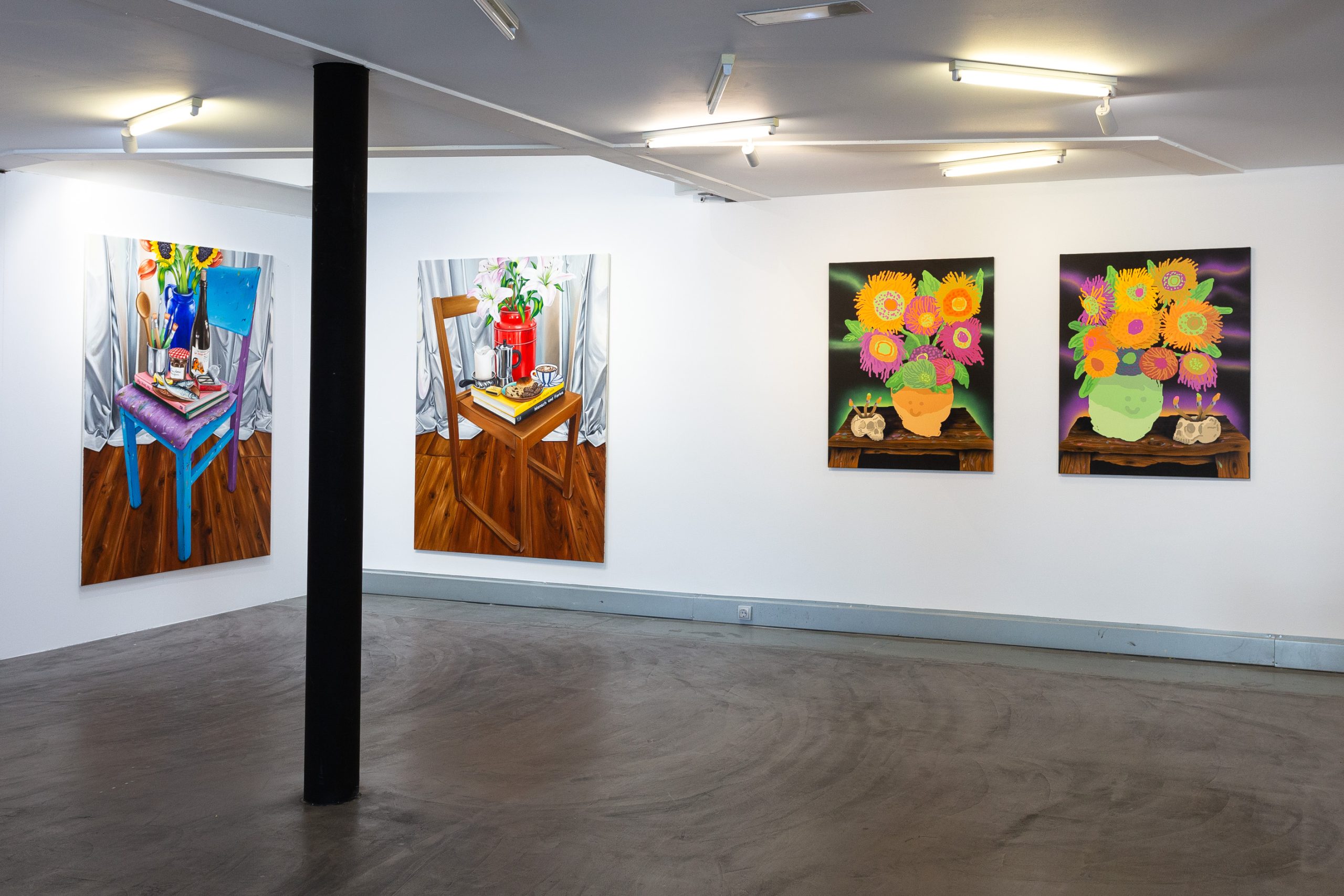
We are pleased to announce “SWAP”, the first group exhibition jointly presented by Wit Art Gallery and Better Go South. This collaborative project will take place at both gallery locations in Madrid and Berlin, featuring a total of 13 artists from their gallery´s roster.

The exhibition title, “SWAP”, highlights the exchange component of this unique show, where both galleries will exhibit each others artists concurrently, providing a unique opportunity to experience unexpected connections. Albert Pinya, Jaime Urdiales, Fernando de Ana, Juan de la Rica, Cesc Abad, Natalia Ocerín and Hugo Alonso will present their works at the Berlin venue on November 22nd. In turn, Philip Gerald, André Wendland, Toninho Dingl, Jihye Park, Holly Halkes and Yam Shalev will display their pieces at Wit Art Gallery in Madrid on November 28th.

“SWAP” delves into the interplay of diverse cultures and the concept of imaginary boundaries, emphasizing social and cultural exchange and collective memory. Designed to foster a spirit of sharing, the exhibition showcases a rich diversity of works.

Additionally, the show explores how two galleries can collaborate to bring their artists works to wider audiences, enhancing the reach and impact through combined strenghts in both countries and markets. It invites reflection on how partnerships can contribute to the vitality and sustainability of our industry.

BETTER GO SOUTH ARTISTS


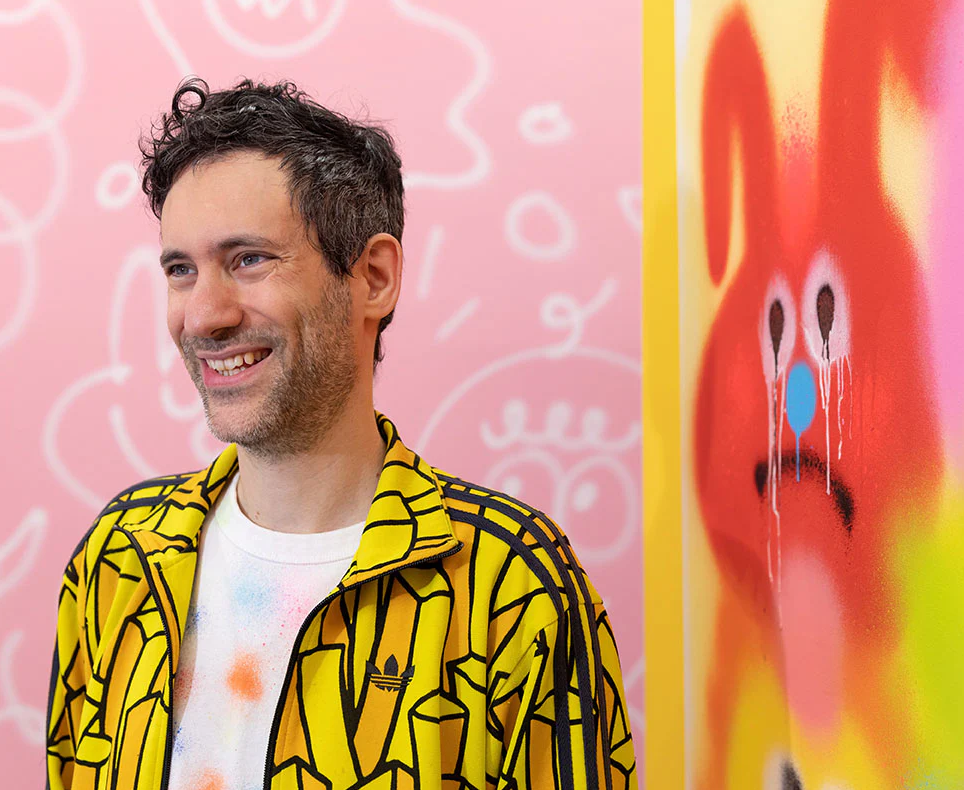
JON BURGERMAN

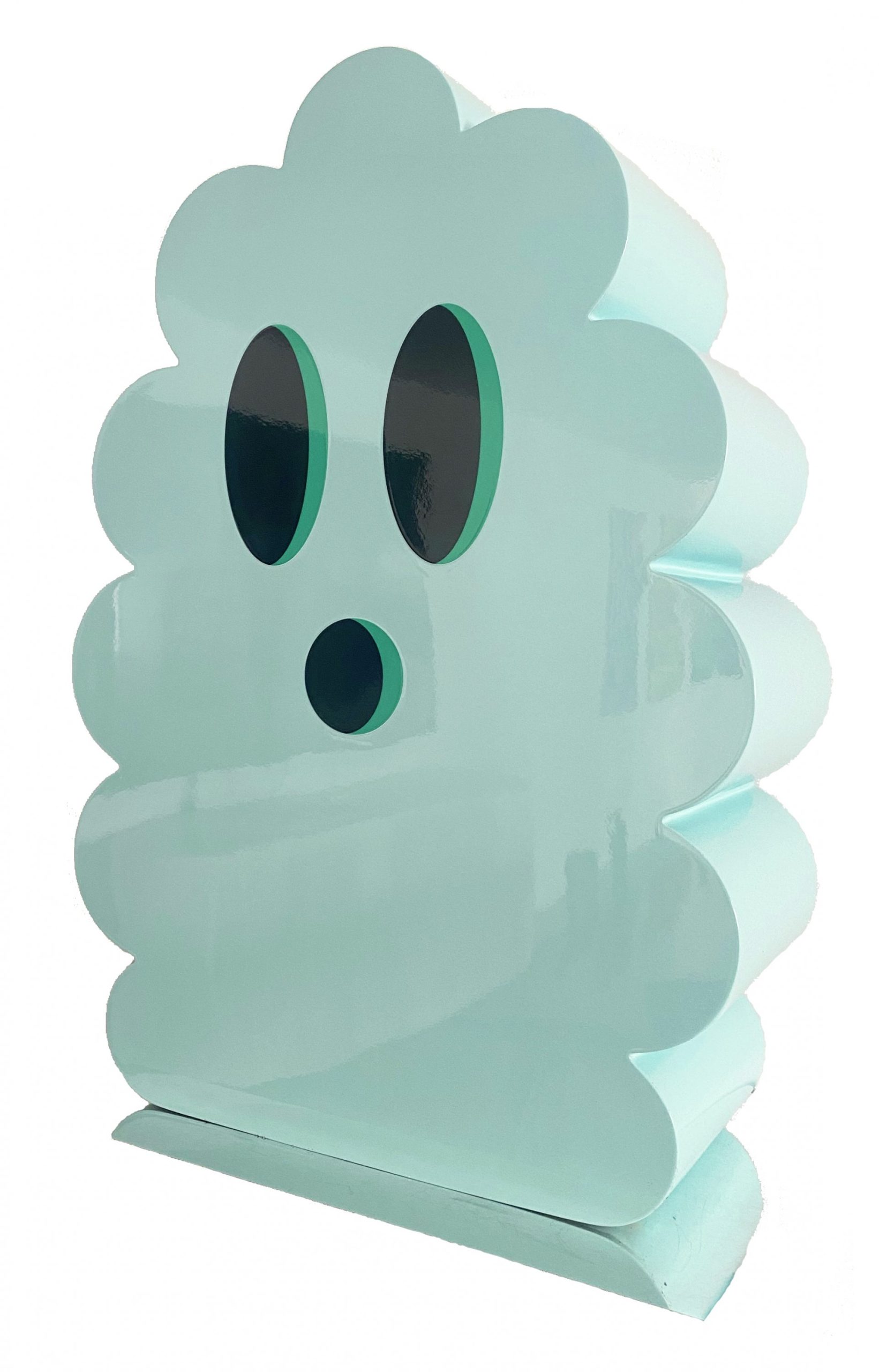
Jon Burgerman (b. 1979 UK) is a New York-based British artist whose works have been acquired by prestigious public collections such as London's Victoria and Albert Museum and the OÖ-Kultur museum in Linz, Austria. His art has been described as “bright, and intuitive, focused on the visceral energy of play as a tenet of communication” (Cate McQuaid, The Boston Globe, July 2021). In recent years he has exhibited at WOAW Gallery (Hong Kong), Chengdu Times Art Museum (China), MISA Art fair Berlin and Cologne, Ojiri Gallery (London), L21 Gallery (Spain), Dopeness Art Lab (Taipei) and Jane Lombard Gallery (New York).

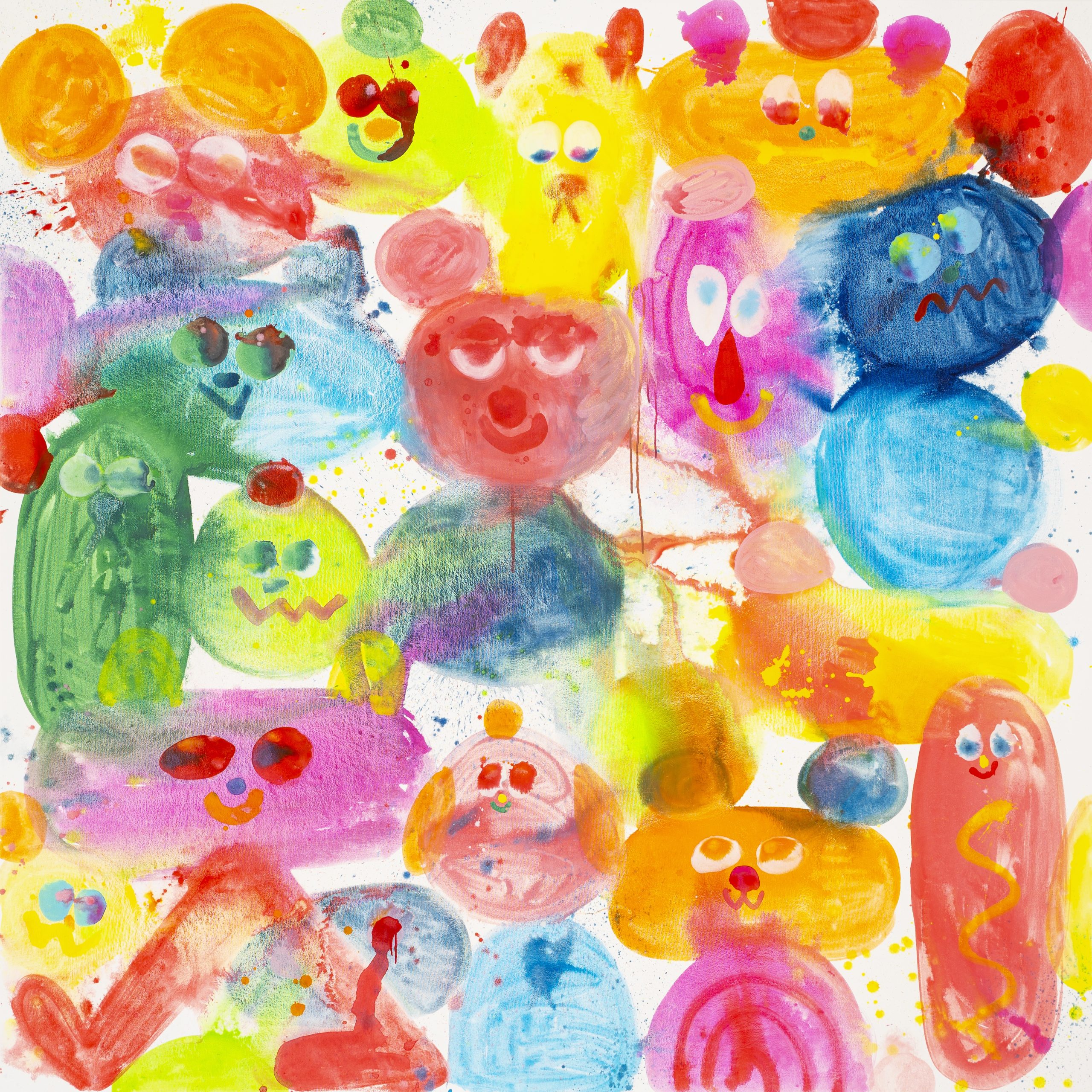
Expressing creativity and having fun is key to Burgerman’s practice. It‘s his belief that simple creative acts can allow people to change not only their world but the world around them.  Their seemingly simple googly eyes betray a range of emotional complexities and anxieties, with comically distressed expressions and collapsing forms underlined by titles such as Xanax, Dualist, Lexapro and Chameleon (2022).


JU SCHNEE

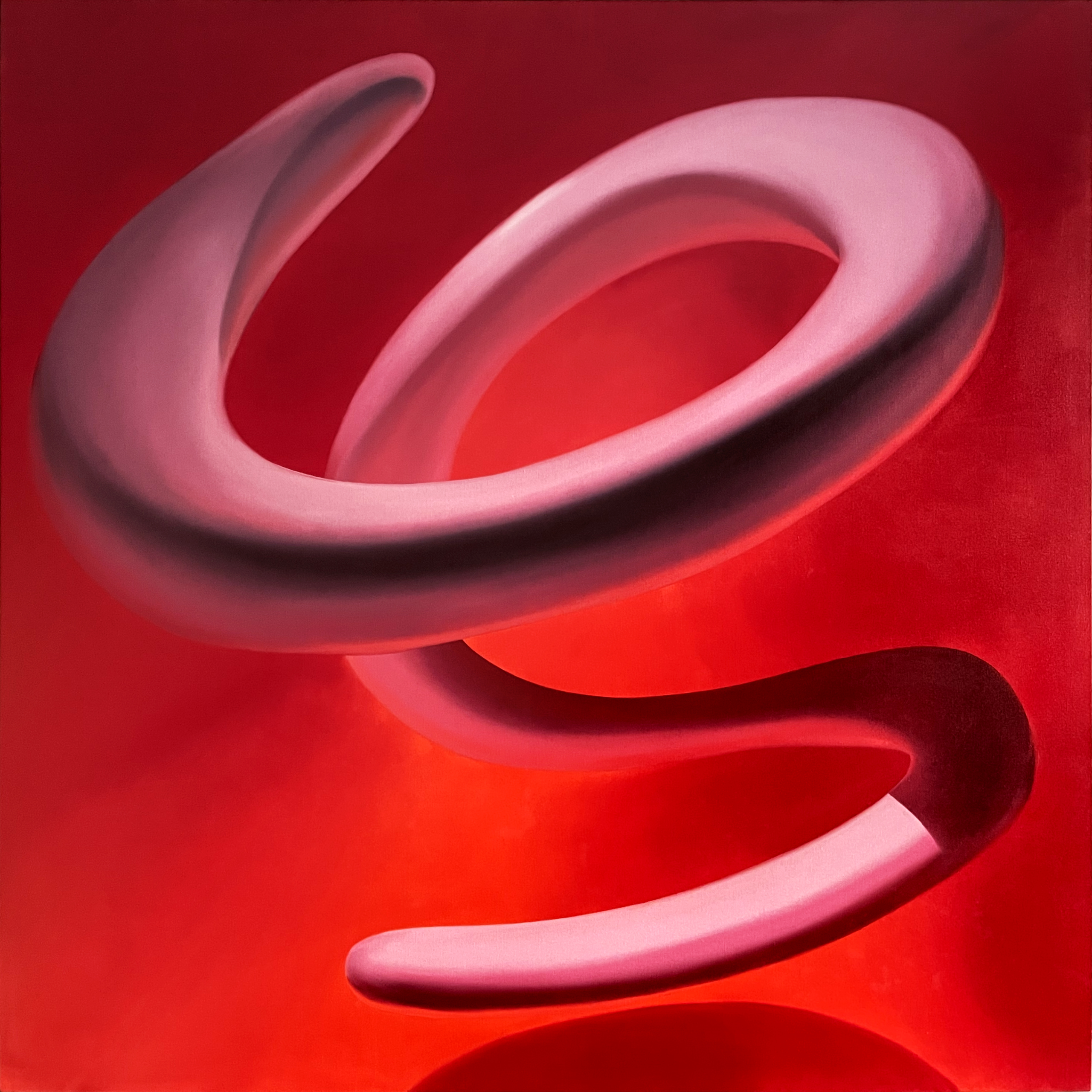
Ju Schnee’s work occupies a transformative space within contemporary art, where the tactile and the digital converge to create a visual language that is both organic and otherworldly. With a Bachelor of Arts and Master of Arts from the University of Applied Sciences in Graz, Schnee draws upon a rigorous academic background, yet transcends traditional frameworks by merging oil painting with augmented reality (AR)—an approach that redefines the viewer’s interaction with fine art. In her practice, technology becomes an extension of the creative process, transforming each piece into an immersive, evolving experience.

Since 2020, Schnee’s work has embraced a distinctly introspective approach. Her intuitive compositions of abstract, biomorphic shapes capture the depth of the subconscious, inviting viewers into a meditative exploration of the inner self. These forms are layered, complex, and often surreal, evoking an ethereal quality that resonates deeply with the unseen dimensions of emotion and reflection. In this sense, her work is both deeply personal and universally accessible, translating intangible emotional states into spatial, almost sculptural realms of color and form.

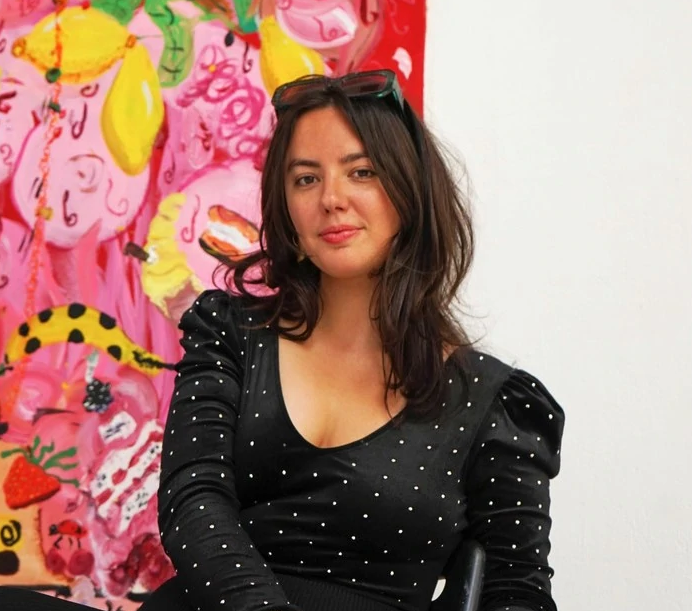
HOLLY HALKES

Holly Halkes (b.1993) is a British artist based in London, whose work captures the complex, often contradictory, nature of contemporary life through a carnival of colour, humor, and surreal imagery. Her paintings are an exploration of uninhibited human interactions and social dynamics, where fantasy and reality collide in unexpected ways. Each piece is a visual playground that examines the fluid relationship between self-identity and the environment, reflecting how our surroundings shape our experiences and emotions.

Through bold colours, lively energetic brushwork, and recurring motifs, Halkes invites viewers into moments of joy, spontaneity, and absurdity, while simultaneously hinting at underlying themes of vulnerability, tension, and internal conflict. Her work engages with the push-pull between our desires to connect with our anxieties, capturing the essence of modern existence with both wit and depth. 
 

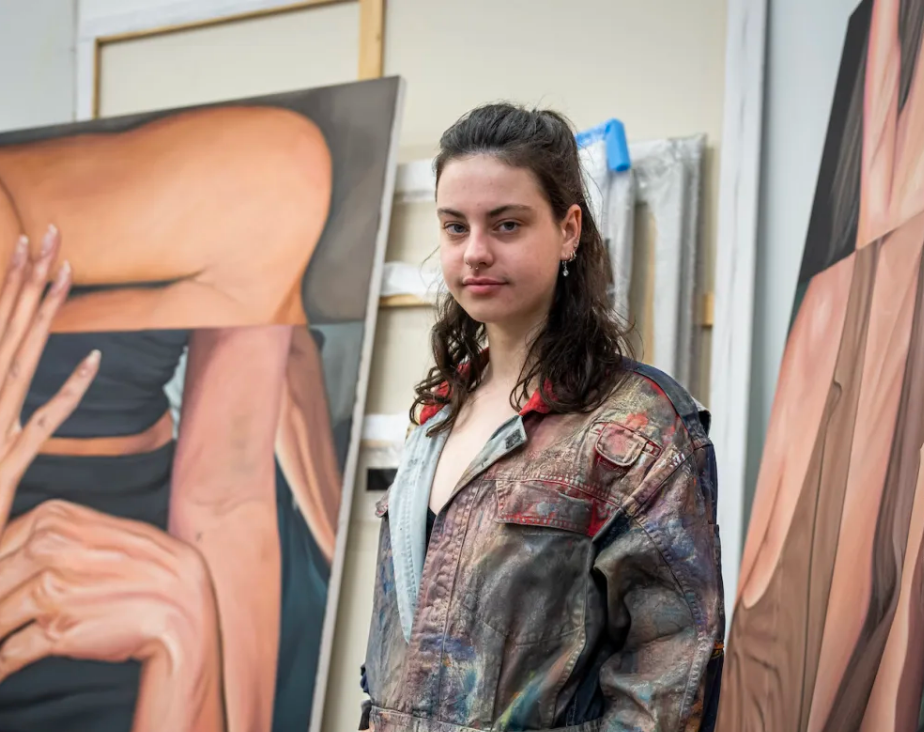
BOBBI ESSERS

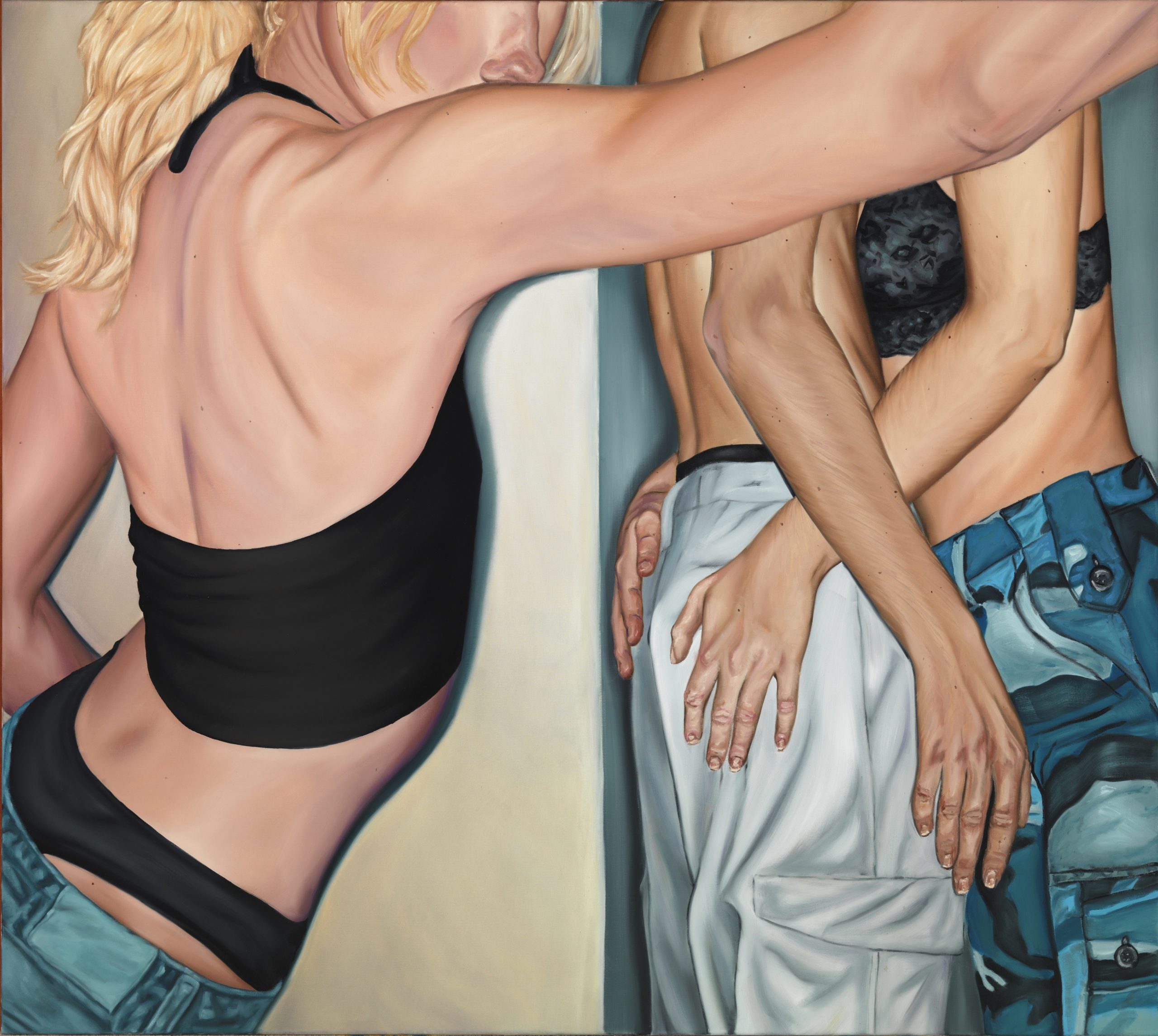
Bobbi Essers’ artistic journey begins with a deep-rooted fascination for the compelling power of stories, particularly those involving adventure and friendship. Born in Enschede, Netherlands in 2000, she ventured beyond her hometown at the age of 18 to pursue an artistic practice that primarily focuses on eternalising her dear friends within the intimate, spontaneous environments they share.
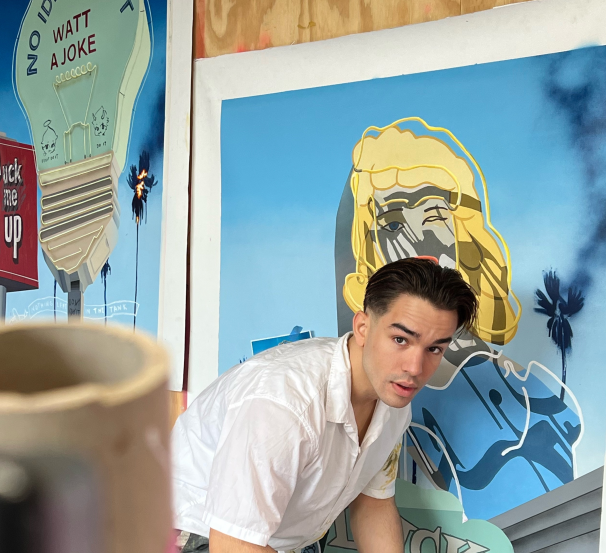
Her paintings serve as an intimate portal into the lives of a close-knit friend group in their early twenties. In her work, Essers challenges conventional perceptions of gender and sexuality, emphasising that these traits transcend specific appearances and roles. She meticulously details textures, such as skin and textiles, preserving the memories that resonate within them. She emphasises: “Because clothing is so often seen as an assignment of gender roles, I like to play with those conventions. I have the feeling that we each have our own style and are special in that way, while that is of course not true at all, it is the fashion of a certain time.”


YAM SHALEV

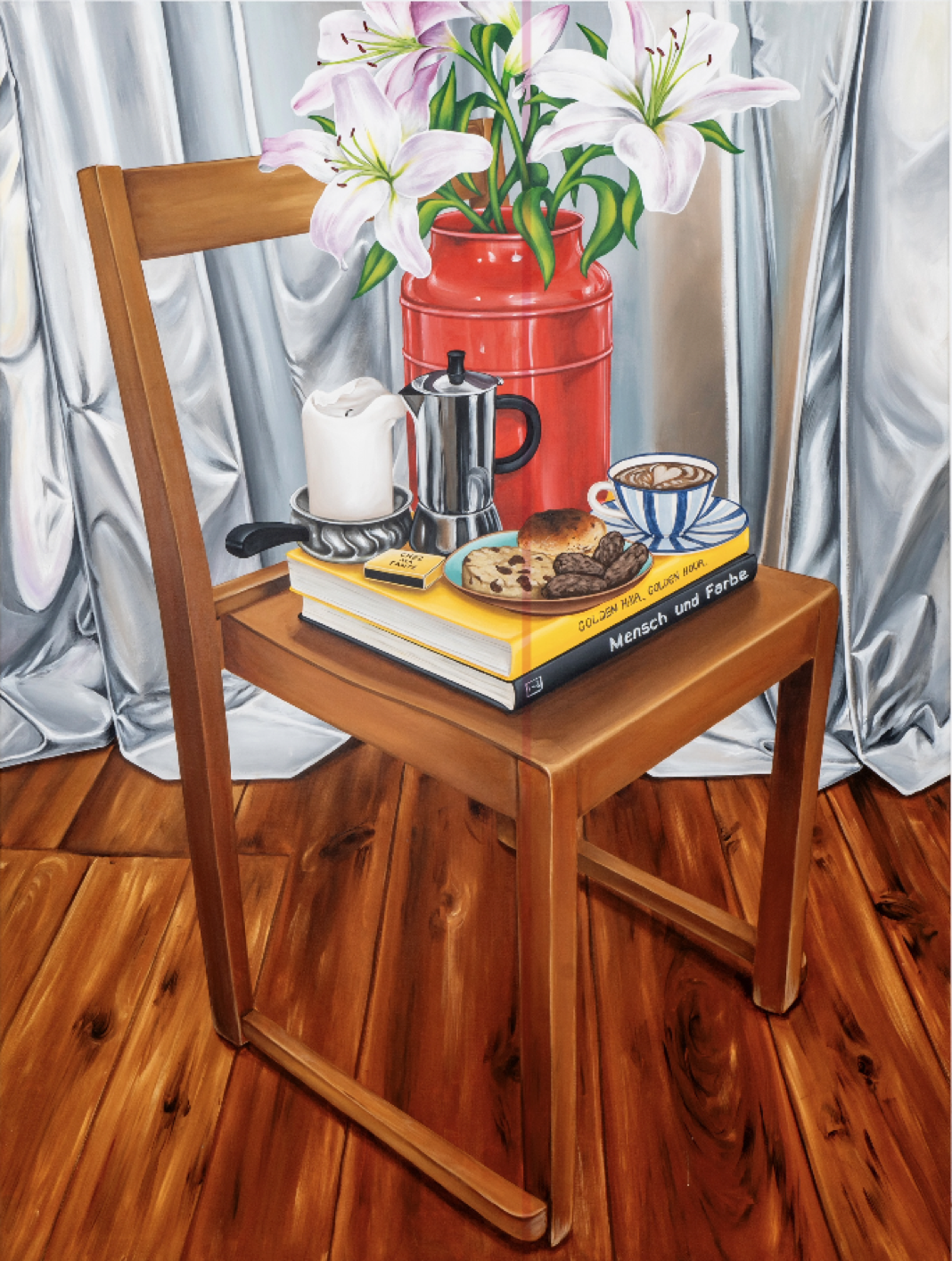
Yam Shalev is a painter based in Berlin, Germany, originally from Tel Aviv, Israel. This new painting style came as a complete surprise. At first, he was exploring some post-digital direction combined with his hyper-realistic main training in exploration in a digital dimension. He is trying to get as personal and authentic as possible when painting.

"Nowadays, I am trying to expand the narrative and the space of my paintings as much as I can. Obviously, I am still giving color and voice to what's playing a role in my life and inspiring/influencing me. But I would love to slowly provide a stage for more scenes from my everyday life. The food is the most personal thing I can always imagine ppl and a stage for more scenes from my everyday life".


ANDRÉ WENDLAND

André Wendland enjoys painting image-filling and on large scale. Every Day Life feeds him with inspiration. Through bold and bright colours form an aesthetic, which is influcend by cartoons and pop culture. The artist likes to exhibit his work in environments that compliment the theme of his images and likes to present his art in settings that are different than the typical white walls.

During the last two years Wendland was part of group show on an international level at galleries like TUESDAY TO FRIDAY, Plain Gallery, Annika Nuthall Gallery, NBB Gallery and Acapella Galleria. In 2023 he exhibited his first Solo Show called „MUSCLE MANIACS – no pain no gain“ at Galerie Droste in Paris.
Even as student at the Academy of Fine Arts Karlsruhe in the class of Tatjana Doll, he already caught the attention of amazing galleries like NBB, Galerie Droste and Plan X in this very early state of his career and stands out positively with his authenticity and exceptional talent.

 JIHYE PARK

 Jihye works with the tension between reality and the unreal. She strives for the contentment in drawing places that radiate comfort while being overlooked by most. For her it’s the symbolization of satisfaction in the real world with a touch of surrealism because it might seem like a dream. She continues to challenge the boundaries of reality and dreams, allowing her distinctive fusion of comfort and surrealism to resonate with viewers.

After graduating at the Staatlichen Akademie der Bildenden Künste Stuttgart in 2022 she started her Master at the ABK Stuttgart as a Meisterschülerin in the „Weißenhof-Programm“., further deepening her artistic prowness. This educational experience has profoundly shaped her creative vision.
Jihye´s Work is represented by the Sun-Contemporary Gallery inSeoul and has exhibited at art fairs like Singapur, Hongkong, Busan and Seoul. This Year her work was exhibited at Museum Villa Rot, Kunstverein Wilhelmshöhe-Ettlingen and Stadtpalais Museum Stuttgart.


TONINHO DINGL

Already in early childhood Tonino Dingl received drawing lessons. Due to other interests, he put pen and brush aside and let everything rest for a few years. In the middle of his studies he rediscovered his love for design, graphics and painting. He was even allowed to design an exhibition in Altötting and then at the
ORF in Salzburg. He successfully completed his studies in geography, but it has not yet been used. Instead, Toninho has increasingly translated his love of art into works. On the advice of Prof. Franz Achermann, a wellknown German painter (whose work can already be found in the Museum of Modern Art / New York), he began studying at the Art Academy in Karlsruhe. Here he deepened his technical knowledge of the visual arts and his knowledge of art history. Toninho received the Sachwarzerdt of the city Bretten.

In 2021 he exhibited at the MISA Messe in St.Agnes with Galerie Johann König at the Weserhalle during Berlin Art Week and just recently at Museum der zeitgenössischen Kunst in Heidenheim.


PHILIP GERALD

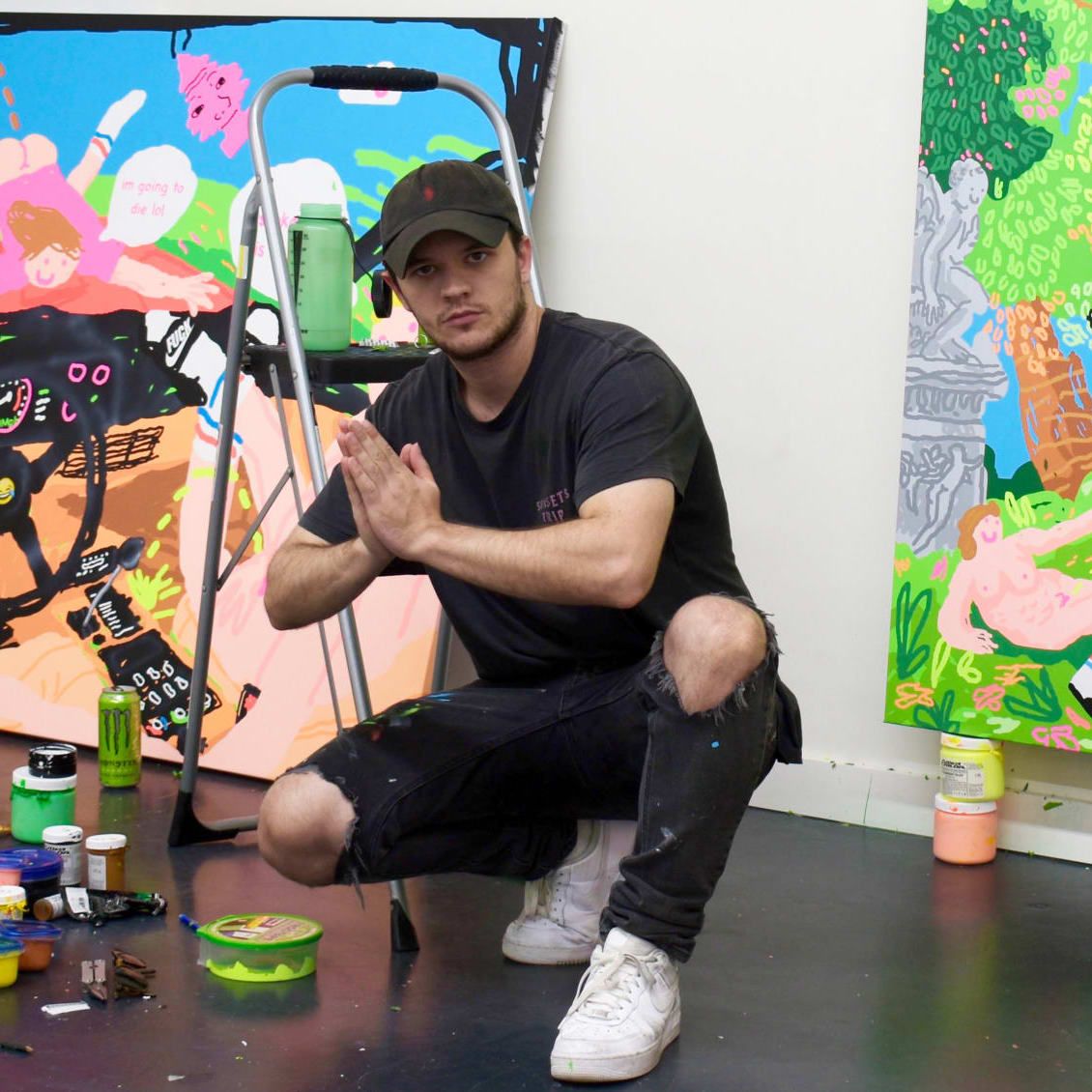
Philip Gerald is a breathtakingly handsome artist based in Dublin. His humorous paintings aim to narrate and characterise his anxieties in the least serious way possible. They hark back to a time of clip art and Microsoft paint, of crude images beamed around the world via the majesty of dial-up internet. He studied Fine Art Sculpture and Visual Culture at the National College of Art and Design in Dublin, before dropping out in third year to develop his skills as a writer. A phlegmatic character, Gerald isn’t too concerned with how his work is received, but rather chooses to focus on enjoying the process.


WIT ART GALLERY ARTISTS


CESC ABAD

Throughout his years of experimentation, Cesc Abad (Barcelona, 1973) has developed a special interest in man and his relationship and effect on nature. After years of studying the great masters of painting, he found his technical tool in the post-impressionist brushstroke and history in symbolism.

This mixture leads to both figurative and conceptual work, as a result of an introspective task from the point of view of nature, but suggesting many questions to the viewer. His artworks allow people to observe the landscape in a different way, as if one could approach a piece of forest. One simply has to slide one's finger on the screen to discover sometimes a real animal world, sometimes a dreamlike world and sometimes a dystopian one. Cesc Abad's main work is done in large formats using oil and acrylic paint.

Also, as a counterpoint to painting, ceramics also have a very special place. They are accompanied by a very special coloring that gives his works an infinity of visions and interpretations: the reading or interpretation in his ceramics can be done from bottom to top, from right to left or in the opposite direction. This allows the viewer to enjoy different stories or moments that enrich the condition of man. 


NATALIA OCERÍN

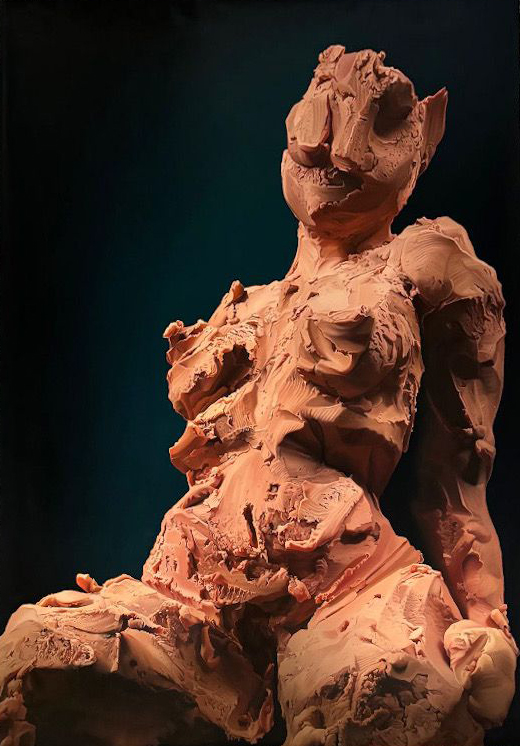
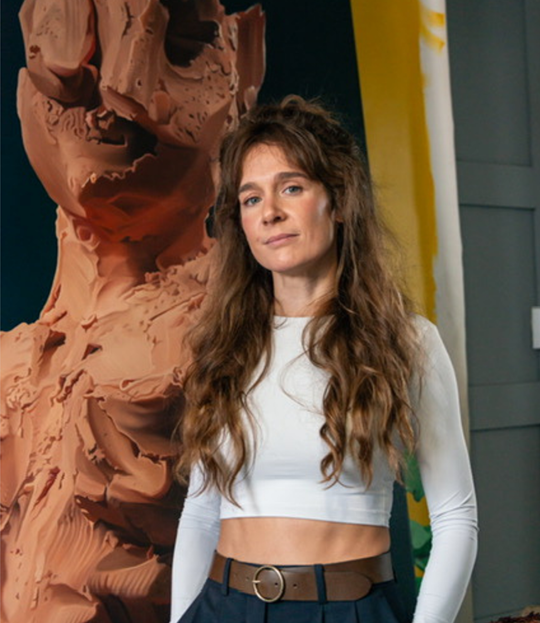
Natalia Ocerín is a Spanish artist known for her oil paintings of plasticine sculptures that she moulds herself. In her early career, she emphasised mental health and the  body, a bold and disturbing theme stimulated by her interest in the work of Michel Foucault, Sigmund Freud and Jenny Saville.

Among the varied inspirations for his work are photographic media, as well as artists who had a flair for colourful compositions such as David Hockney. Amalgamating personal narratives, lived experiences and art historical references, Ocerin's work underscores the need to return to the elemental and the fundamental in a contemporary age where the dark and macabre are increasingly present.


FERNANDO DE ANA

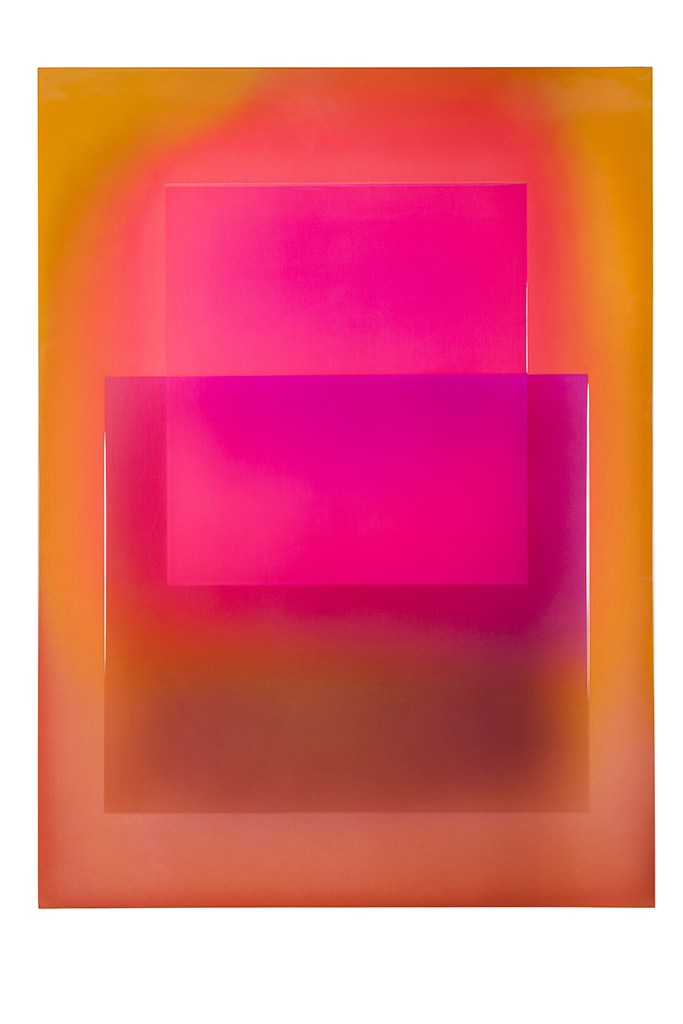
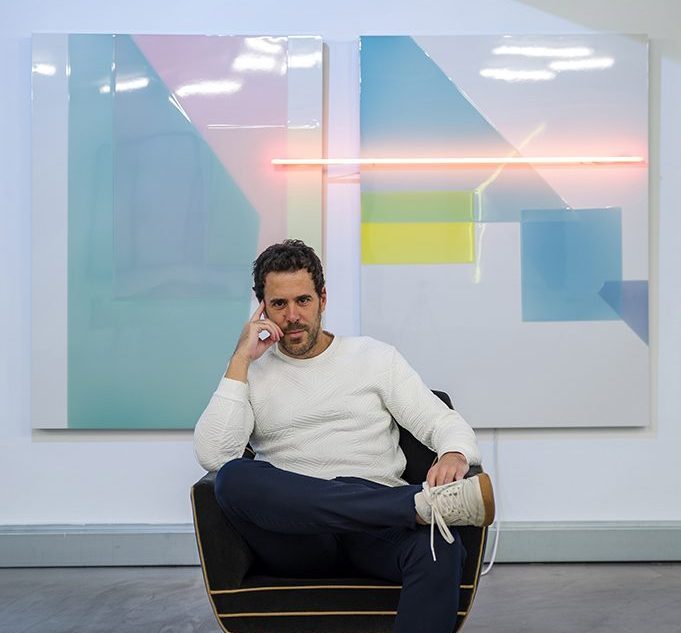
Fernando de Ana is best known for his abstract geometric creations that are crafted using the complex technique of resin and complemented with elements of neon and iridescence. His work can best be described as an overlap between painting, sculpture, and collage, and the materials selected are the foundation of his artistic output.

He follows minimalist practices, and carefully arranges the overlapping features of his work to evoke themes of interaction, creating a dialogue between both the viewer and the work, and the viewer and their environment. He originally graduated with a degree in Fine Arts and initially focused on graphic design in the Netherlands, but more recently decided to return to Spain and focus on his artistic career. Since then, he has captured the attention of a variety of collectors, foreign galleries, and media, solidifying his place in the art world.


HUGO ALONSO

Trained at the Faculty of Fine Arts in Salamanca and Rome, Hugo Alonso develops exhibition projects of heterogeneous nature. Initially pictorial, his work has been expanding into other fields such as video and sound or audiovisual installation. For the last few years, Hugo Alonso has been working on a project in which he explores the relationship between cinematic reality and everyday life, as well as the possible analogies between the history of painting and cinema. Cinematic fiction helps Alonso know himself and explore the environment in which he lives. Movies are his visual and conceptual resources. He is interested in our sense of permission with movies, in how, due to their fictional nature, they approach unimaginable subjects within the social codes that make a reality such as ours remain regulated.

Recurring motifs in the history of painting such as the landscape, the house, the salon, or the figure often plays a major role in his work, like a cinematographic plane that goes from the general to the singular. Each seemingly normal painting encloses some enigma, some unstable element, one or more visual fissures that place the image close to the conventional but on a different terrain, supposedly familiar but actually unknown. Sound and music have always been present in Alonso’s work, whether in painting, video or directly in sound productions performed under his first name or the alias Lynda Blair. 


JAIME URDIALES

Jaime Urdiales is an artist who has captivated the contemporary art scene with his unique approach and passion for rescuing the past through his depictions of neon signs and abandoned signs. His work is a reflection of his desire to preserve the visual history of urban streets and to highlight the ephemeral beauty of objects that go unnoticed in everyday life.

Through his art, Urdiales manages to transform the ordinary into the extraordinary. Each of his neon signs and forgotten signs become an ode to nostalgia and the vibrant energy of cities. His works transport us to a time and place where these flashing lights and glowing letters were iconic elements of urban life.


ALBERT PINYA

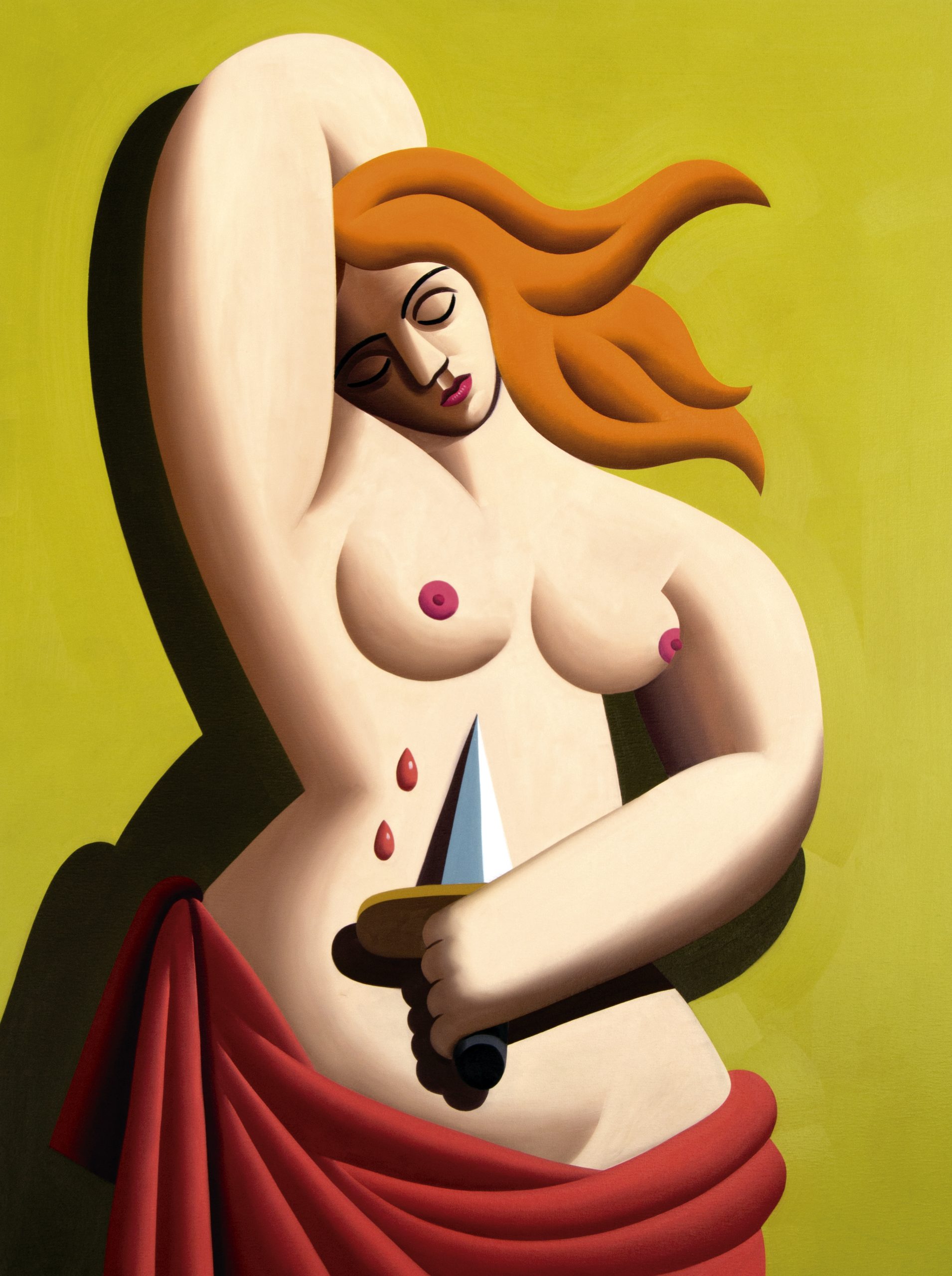
Albert Pinya bases his work on a deliberate and ironic ingenuity that dismantles the perverse structures of reality. He has quickly developed an identifiable style of his own, in which he applies the codes of popular culture, comics, illustration and a thoughtful naive aesthetic that hides the precise treatment of the themes he explores.

His work rejects “l’art pour l’art” and understands that, being a means of expression, art is eminently communicative and must always be based on an ideology. For all this, rather than talking about ‘artistic creation’ we would have to talk about ‘artistic reaction’. Painting, drawing, intervention, installation, performance, graphic work and sound are the means with which he develops the discourse of the narratives. One of his greatest obsessions focuses on the study and observation of human beings and the way they establish relationships with society and with the environment.


JUAN DE LA RICA

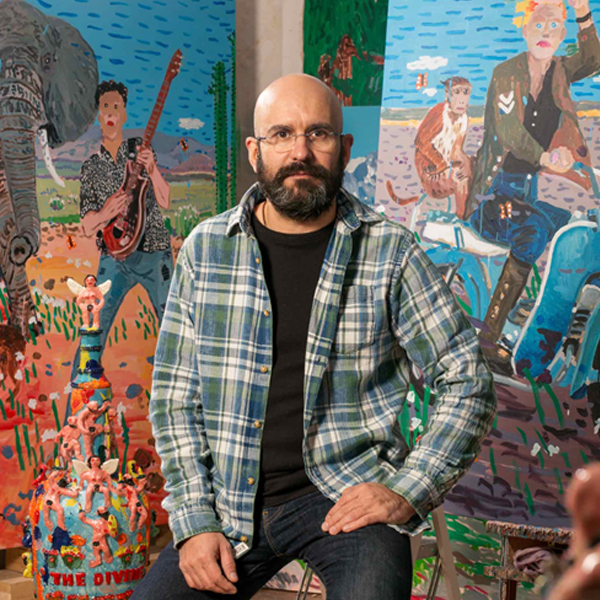
Juan de la Rica (Bilbao, 1979) is a Spanish painter based in Bilbao who presents us with an imagery far removed from any novelty but which continues to surprise and absorb us with each representation. Close to the sphere of pop artists such as Alex Katz or David Hockney, Juan de la Rica's pictorial work appears to us as a breath of fresh air, dense and superficial at the same time. The protagonists of his paintings - be they humans, animals, gods or landscapes - are invested with a deep depth, accentuated by the use of colour and the cleanliness of the drawing. However, this introspection is combined with the superficial halo of pop art and a fine irony present in his work. In his interview for Sirocomag he explores how he vindicates drawing as an enhancer of painting itself. He also clarifies that his themes, so often used in the history of art, are not intended to go beyond their superficial treatment, although he understands that they can be read in new ways. The marked melancholy of his works is also given by the play of light and shadow, which, far from seeking realism, is the result of his intuition in painting. The contradiction continues, since despite his complex opinion about painting, he does not dispense with irony in his figures.